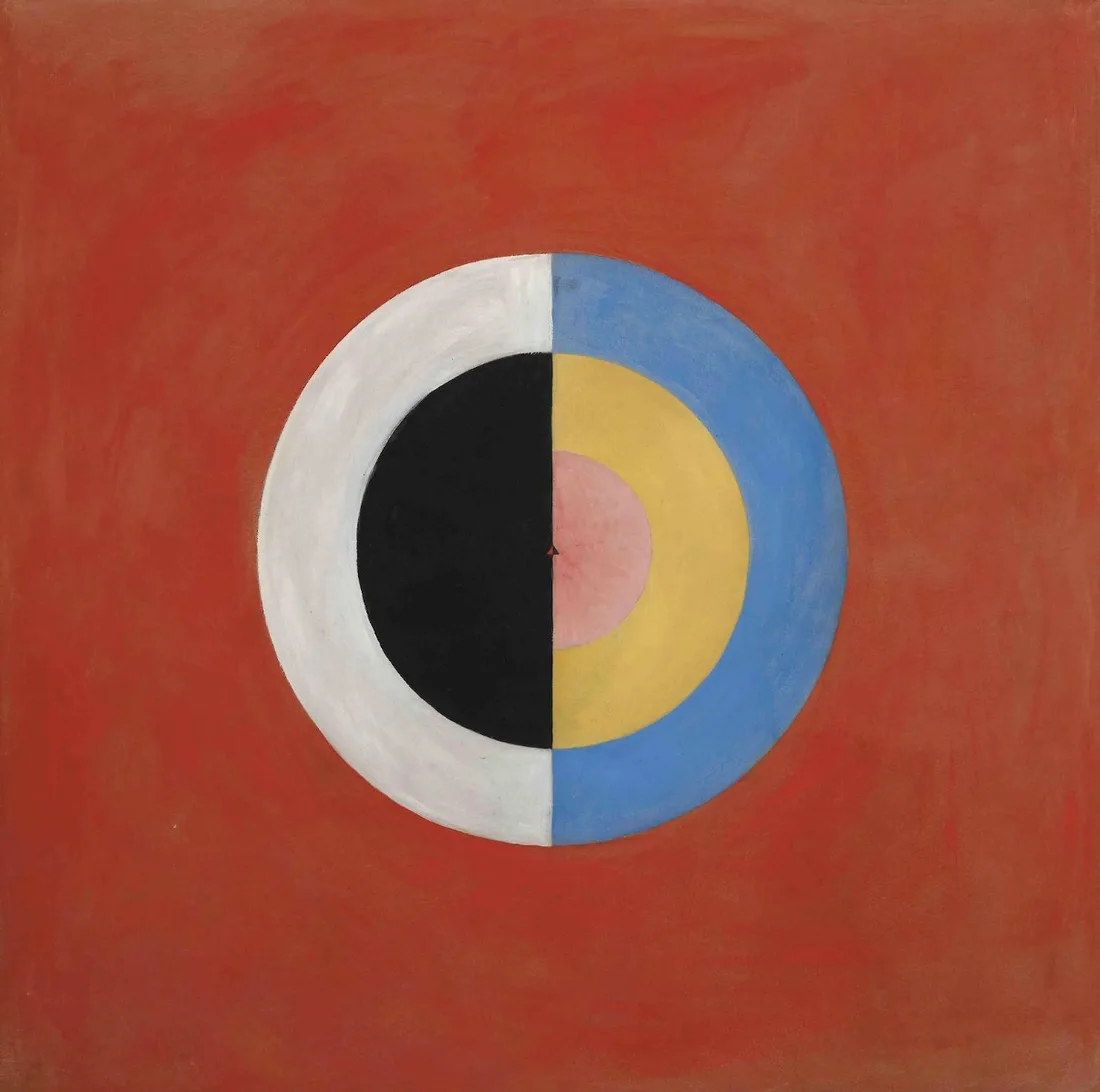
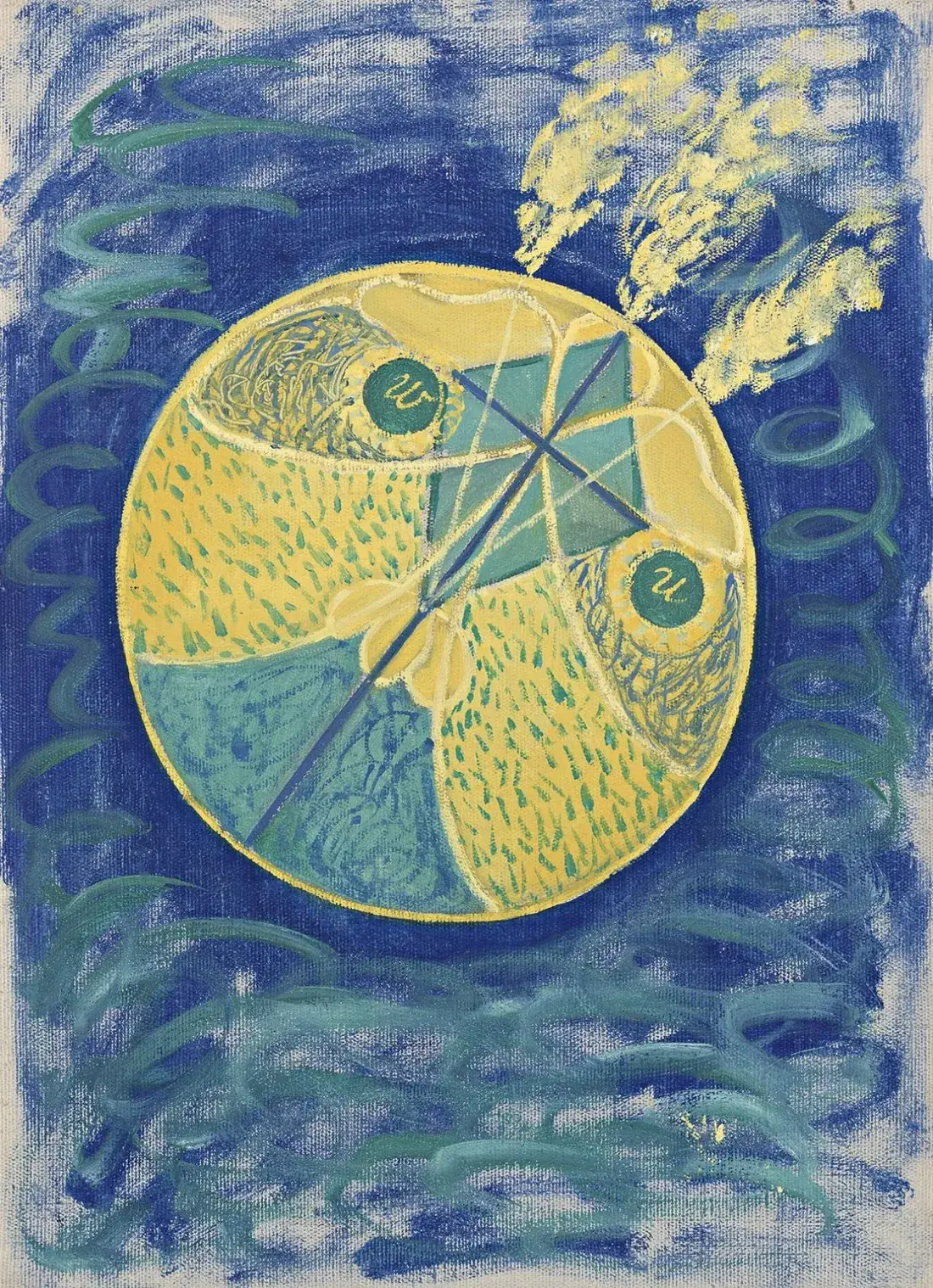
Hilma af Klint, The Swan, No. 17, 1914–1915. Hilma af Klint Foundation, Stockholm
Art on art
Hilma af Klint: the paintings that waited for us
She painted abstractions before Kandinsky and asked that they not be shown for twenty years after her death. I entered her date into my gallery and placed one of her own works beside each painting.
Hilma af Klint was born on 26.10.1862 in Stockholm and died on 21.10.1944. By day she was a respected portrait and landscape painter. Behind the closed door of her studio she created what we now call some of the first abstract paintings in Europe.
“The pictures were painted directly through me, without any preliminary drawings and with great force. I had no idea what the paintings were supposed to depict; nevertheless I worked swiftly and surely, without changing a single brushstroke.”Hilma af Klint, from her notebooks
Her exhibition on You Are a Painting
In my gallery a date opens seven paintings. On the left is what the gallery showed for 26.10.1862. On the right is a work by Hilma herself. I didn’t adjust anything: I simply placed them side by side and looked.
Index finger · Personality · 8
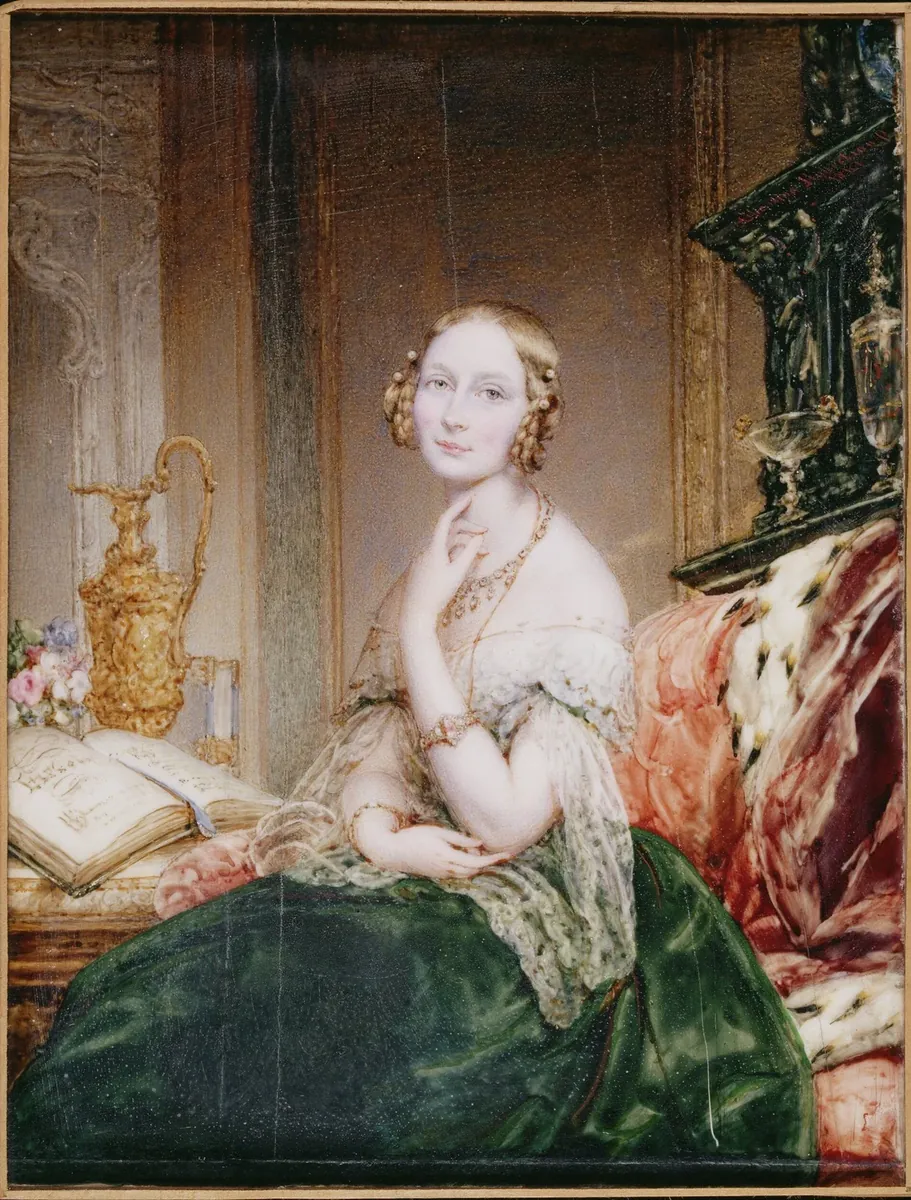
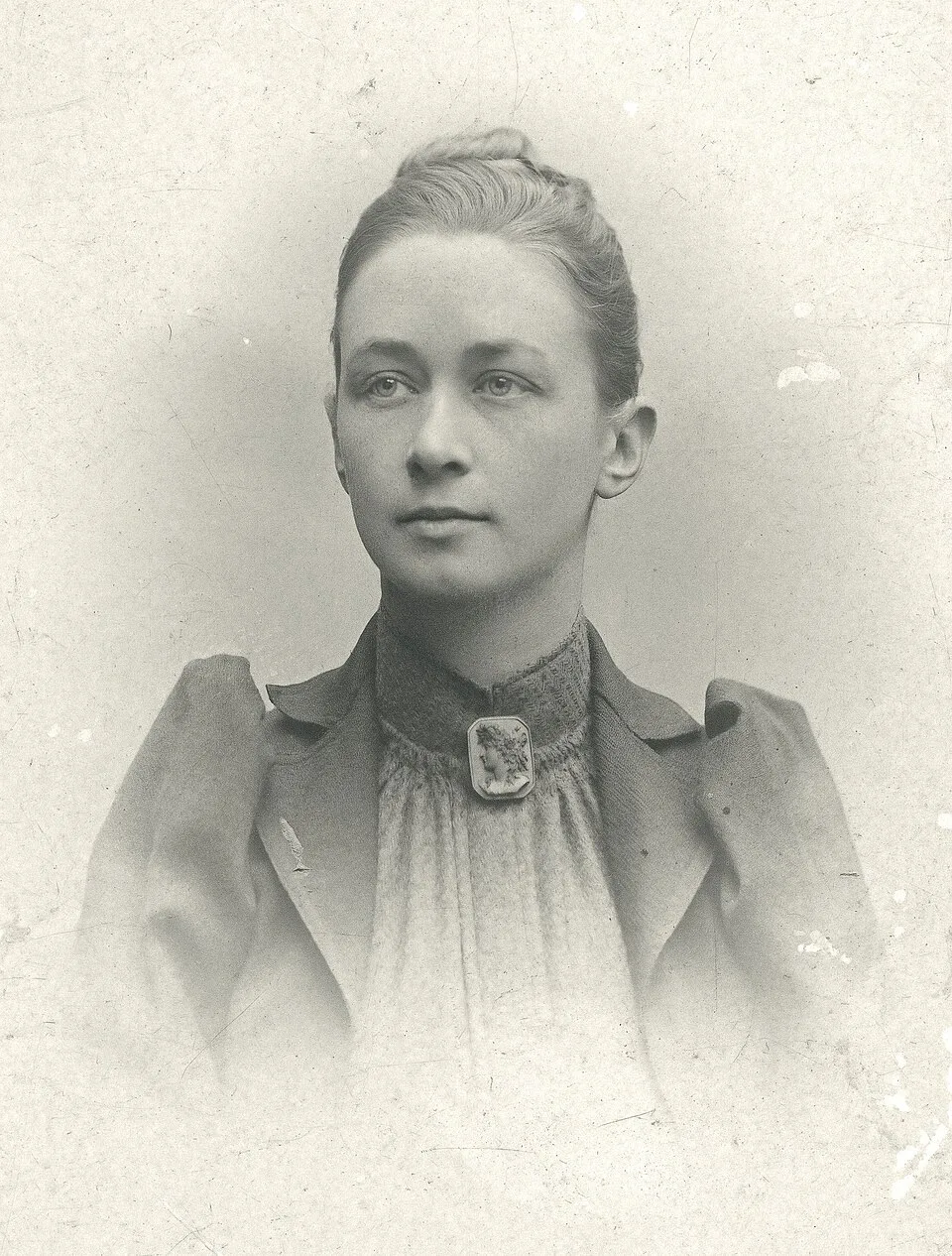
Eight is about order and the right to your own place. Robertson, a Scottish portraitist, built a career at the Russian court, in a profession with almost no women in it. Hilma also began as a portraitist: the Royal Academy of Fine Arts, commissions, an impeccable training.
Look at the hands. Robertson’s lady touches her chin, an open book beside her. Hilma, in the photograph, looks past the camera. Both are busy with a thought they don’t show.
Middle finger · Family script · 10
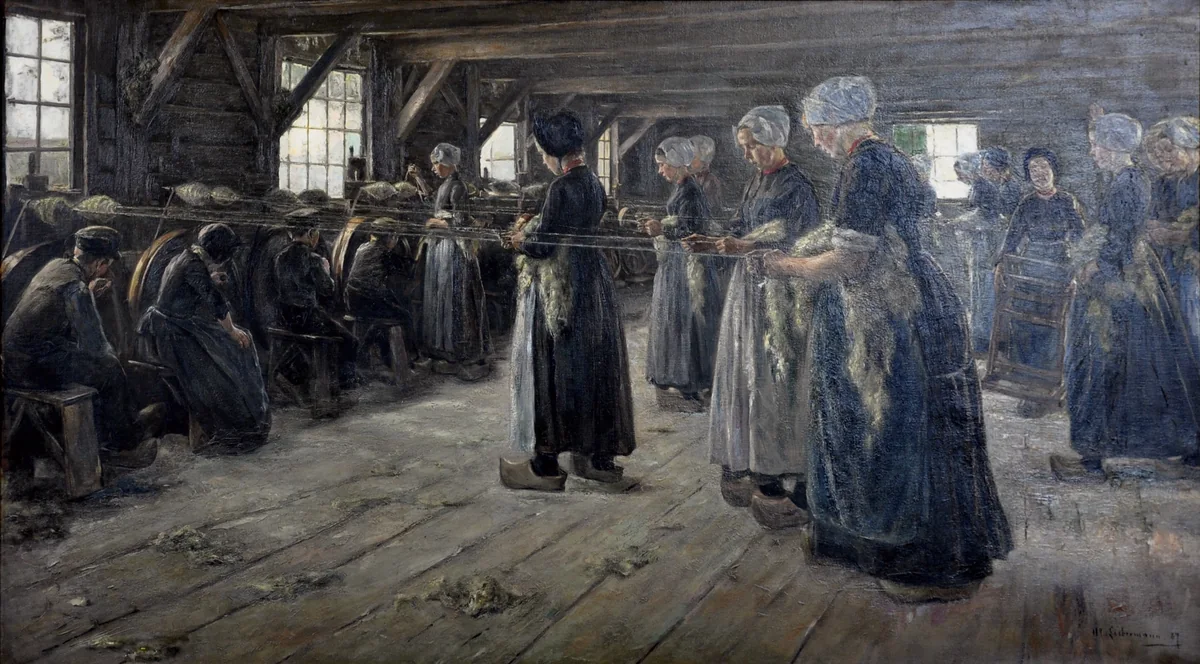
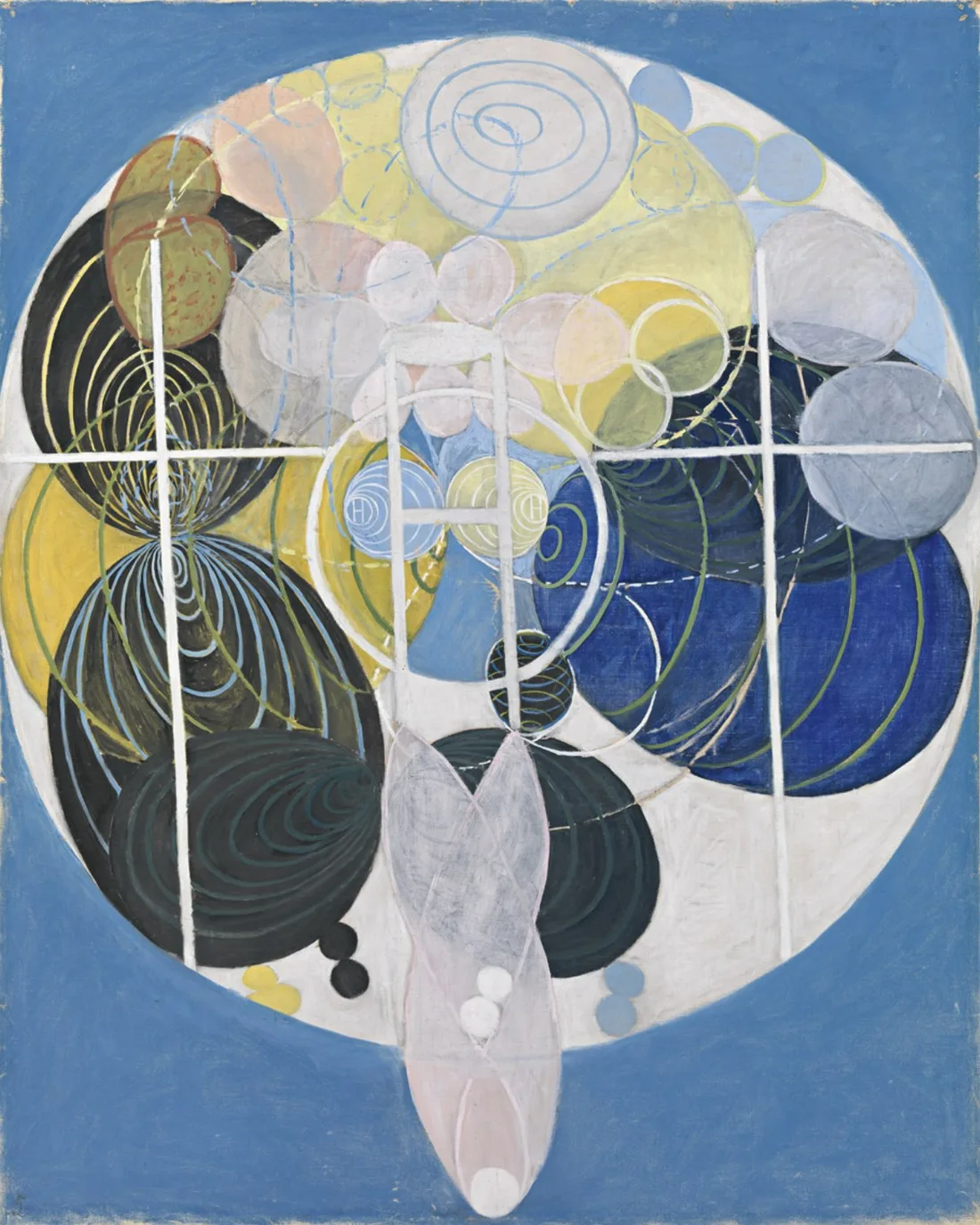
In Liebermann’s painting, women walk slowly backwards through a long barn, drawing out the linen thread. Since ancient times, thread and wheel have been images of fate. In Hilma’s Primordial Chaos there are spirals and snail shells: in her notes she explained that this is how she marked development.
For generations the af Klint family charted the seas of Sweden. Hilma inherited the habit of mapping a route. Only her map was a map of the invisible.
1887: the year of Liebermann’s painting. That year Hilma graduated from the Academy.
Ring finger · Scale of realisation · 17
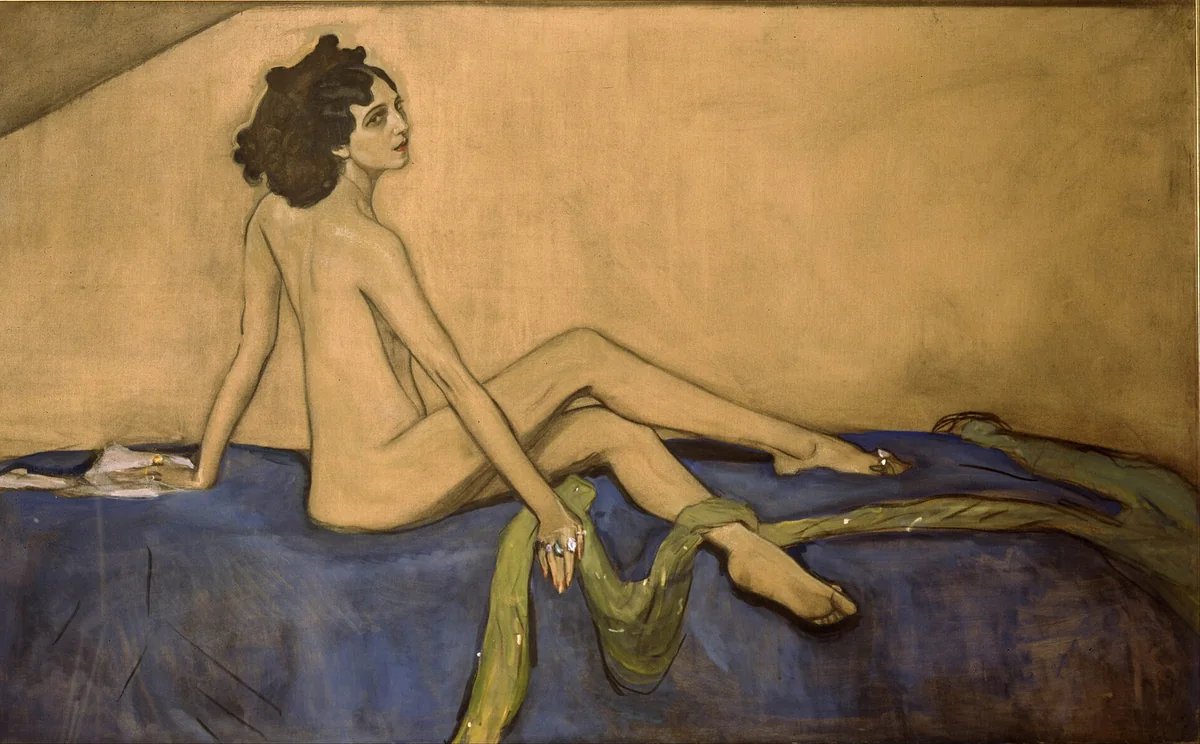
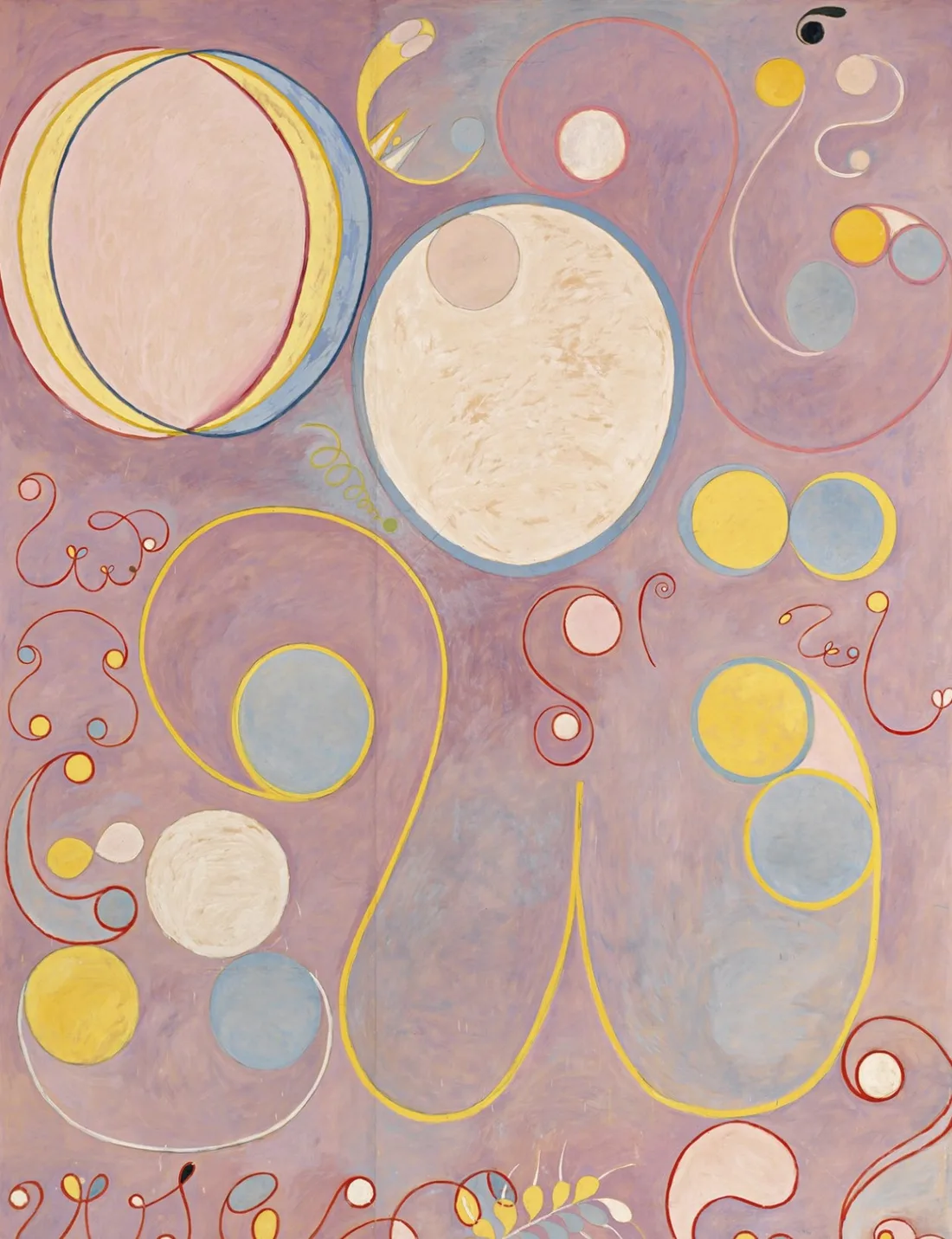
Serov painted Ida in tempera and charcoal, and the portrait was called a scandal. Hilma’s Ten Largest are also painted in tempera: paint that dries fast and lies matte, like a fresco. Only each of Hilma’s sheets is more than three metres tall, and she painted them on the floor.
In my gallery the Star is about a talent meant to shine. Ida was recognised in her lifetime, scandal and all. Hilma was recognised decades after her death.
About 3.2 × 2.4 metres: the size of each of the Ten Largest. All ten were painted between August and December 1907.
Little finger · Relationships · 8
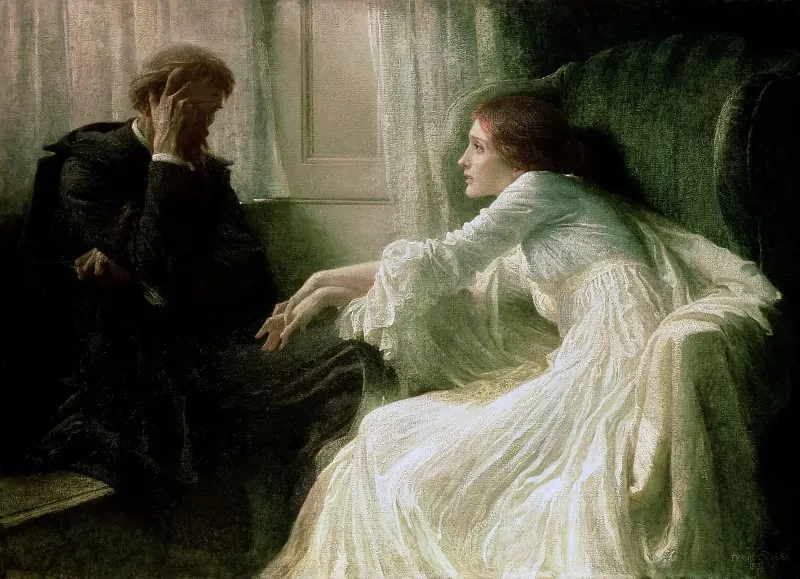
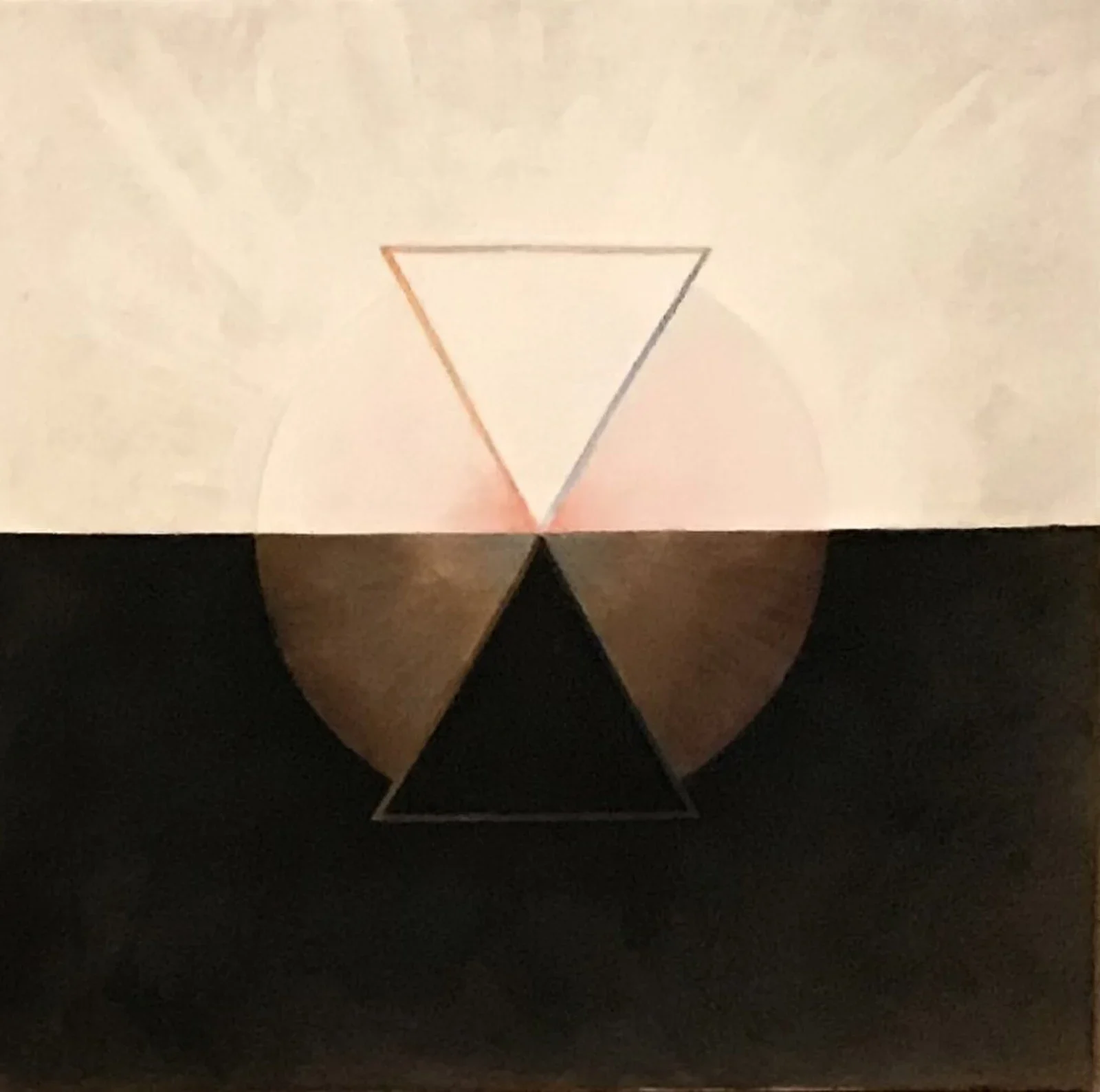
In Dicksee’s painting the woman leans forward, ready to confess, while the man covers his face with his hand. Hilma’s canvas is divided by a horizon: a white field above, a black one below, and the triangles meet right at the border. Two meet, but do not merge.
The Swan series begins with two real birds, one black and one white, and step by step turns into pure geometry. It is twenty-four paintings, made between October 1914 and March 1915.
1896: the year of The Confession. That year Hilma and her friends founded The Five, their own circle of five women.
Thumb · Health · 7
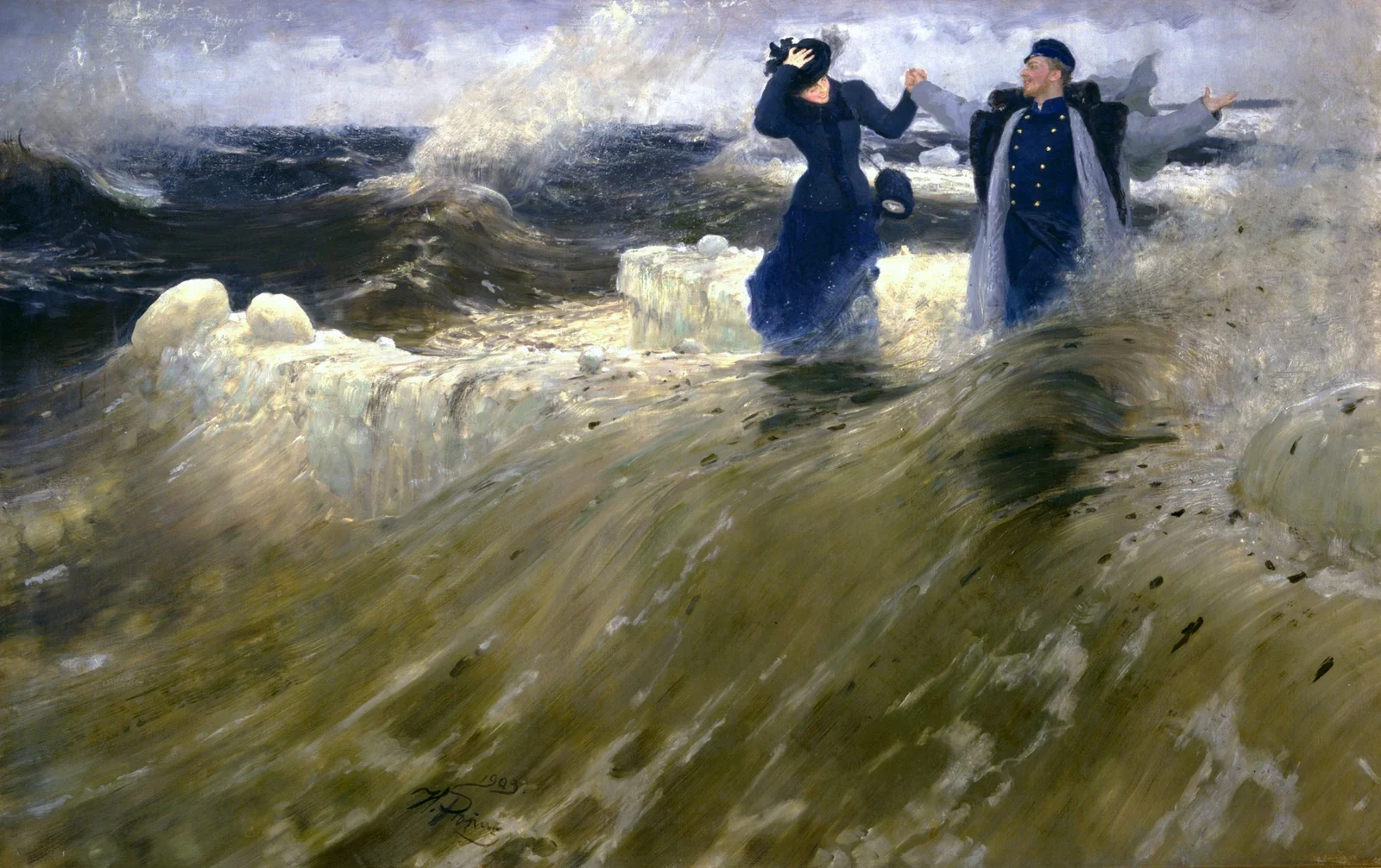
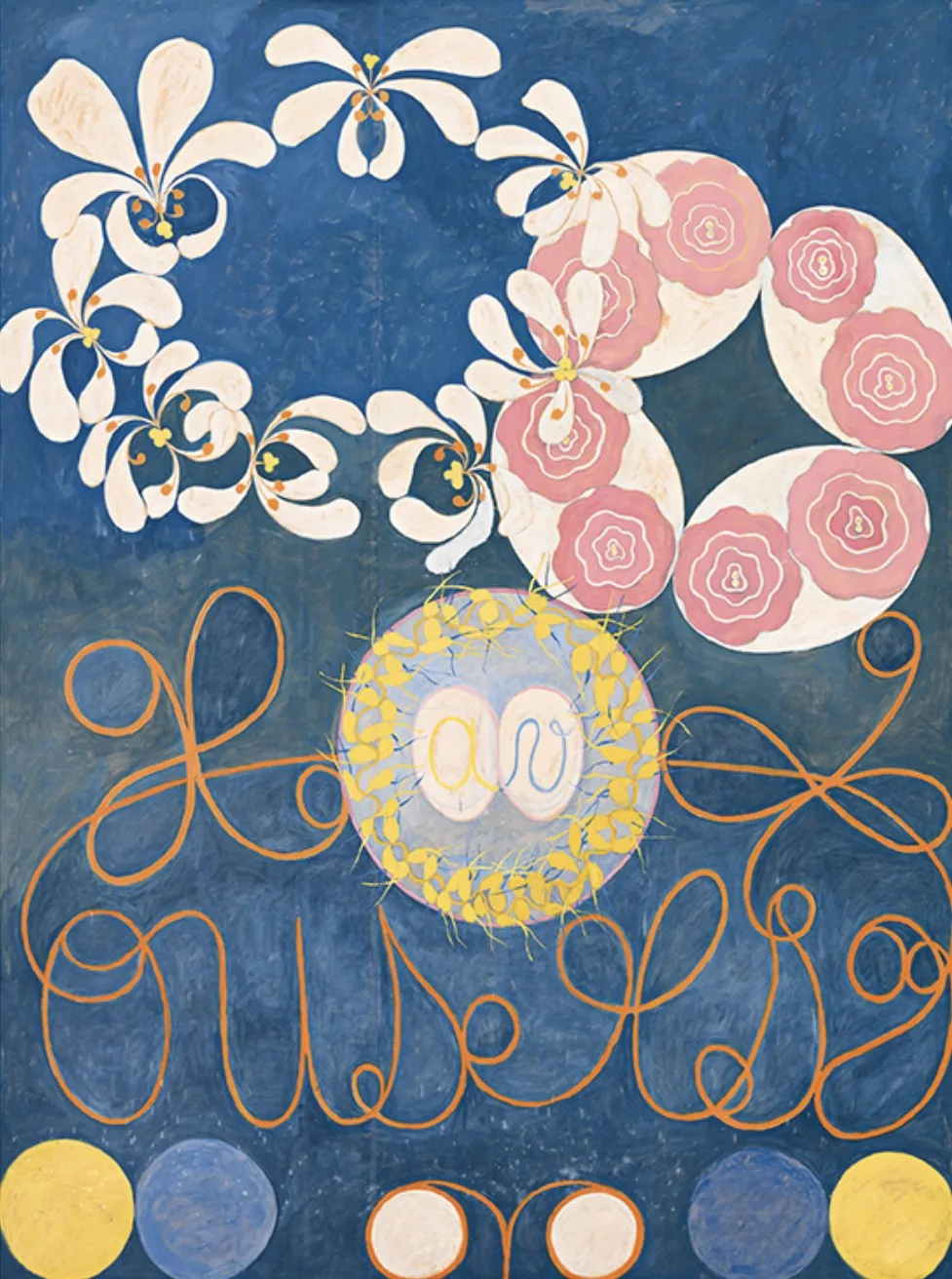
Two people hold hands and walk straight into the wave, and they are happy. Childhood has a blue ground, white and pink flowers and orange loops that look like letters, as if someone were just learning to write.
Seven is about will and moving forward without guarantees. Both paintings carry the energy of a beginning, when you set out without knowing what comes next.
Base of the palm · Point of attention · 15
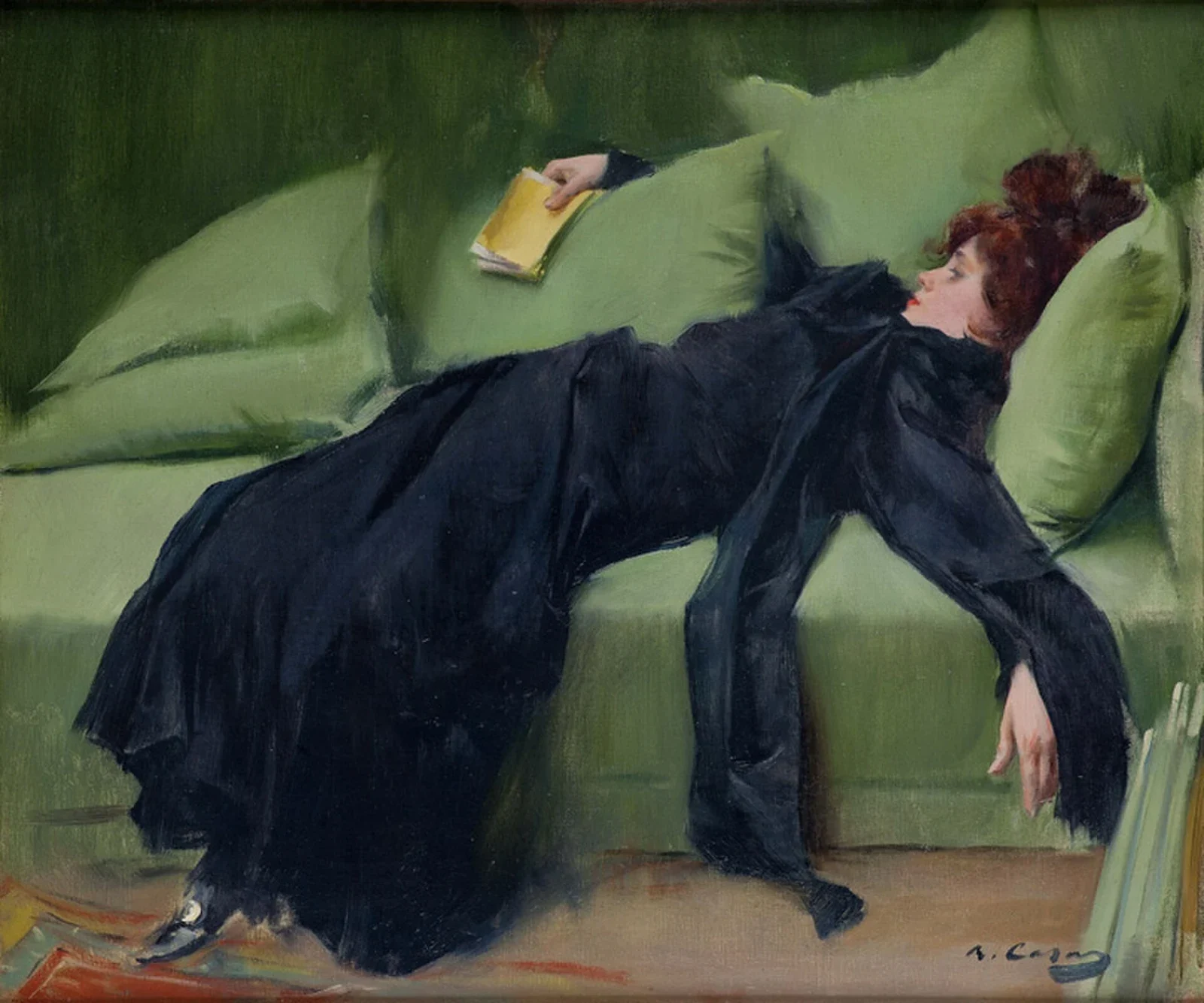
A girl in black almost melts into a green sofa, a book about to slip from her hand. The party is over. In my method fifteen is about attraction: what fills me up, and what only drains my strength? And whose voice sounds louder in me than my own?
Hilma answered in her own way. She called one of her works a Key, as if leaving a hint to her own paintings. Not for the guests at the ball, but for those who would come later.
Fifteen sounds six times in her chart. It is her leading note.
Zero after one · Expansion
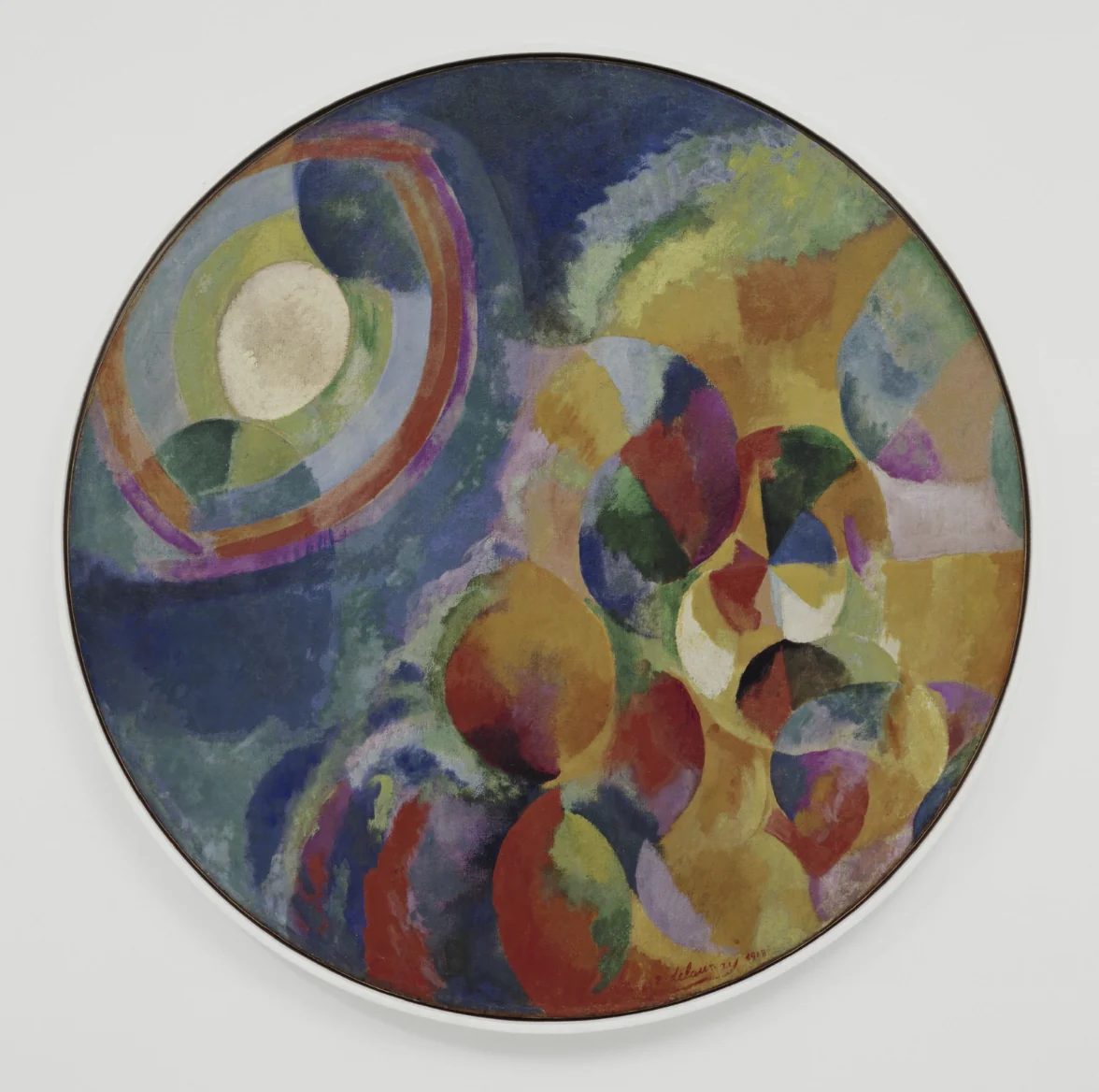
Hilma’s birth month is 10, and in my method the zero after the one sounds like expansion. Delaunay builds a painting from pure circles spreading out from the centre. Hilma cuts the circle in half: black and white, yellow and blue. Two artists arrived at the circle almost at the same time, knowing nothing of each other.
1913: the year to which art historians date Kandinsky’s “first” abstract watercolour. Hilma began in 1906.
Centre of the palm · Soul mission · 5-10-15
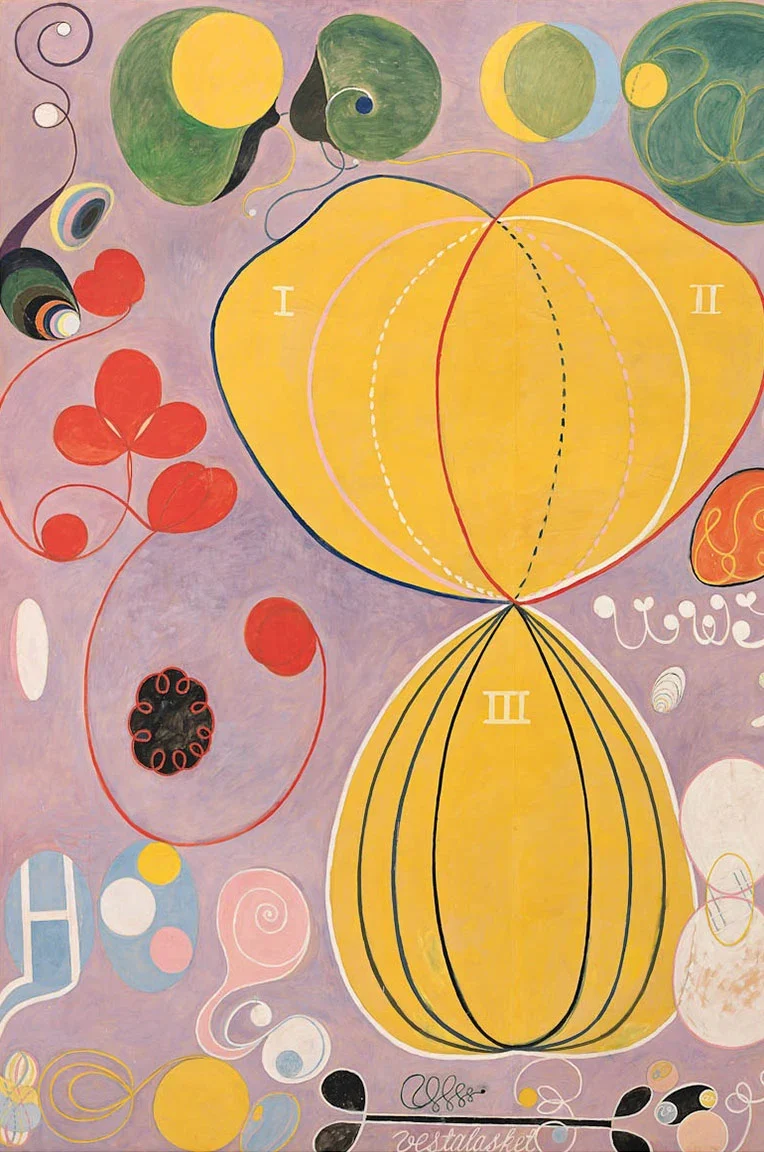
Hilma af Klint, The Ten Largest, No. 7, Adulthood, 1907
In the centre of the palm, my gallery places the soul mission. And for this place I chose a work by Hilma herself. On a lilac ground two huge yellow forms meet at a single point, and the Roman numerals I, II, III seem to number the stages of a path.
Hilma’s mission is 5-10-15: the seeker, the family line, faith. Beneath this painting in my gallery I wrote: “My path becomes clearer with every year.” Her path became clear to the world only decades later.
Numbers that surprise
- 193works in the cycle The Paintings for the Temple, 1906–1915
- 26small canvases of Primordial Chaos, where it all began
- 4 yearswithout painting after 1908: Hilma gave up her studio to care for her blind, widowed mother
- 50 yearshow long, according to Rudolf Steiner, the world would need to understand her paintings
- 26,000pages of notes and more than 1,000 works in her archive
- 20 yearsafter her death, by her own wish, the abstractions were not to be shown
- 1970Moderna Museet in Stockholm declined to accept her works as a gift
And in 2018–2019 Hilma’s exhibition at the Guggenheim in New York became the most visited in the museum’s history. The paintings rose along the spiral ramp, and Hilma had once dreamed of a temple in the shape of a spiral.
Look.
All her life Hilma checked herself against other voices: the Masters, Steiner, those older and wiser. And history remembered her own.
A question for yourself: whose voice do I listen to when I decide whether my work is good?
Want to see her work in person? Most of it belongs to the Hilma af Klint Foundation and is regularly shown at Moderna Museet in Stockholm. Start with The Swan.