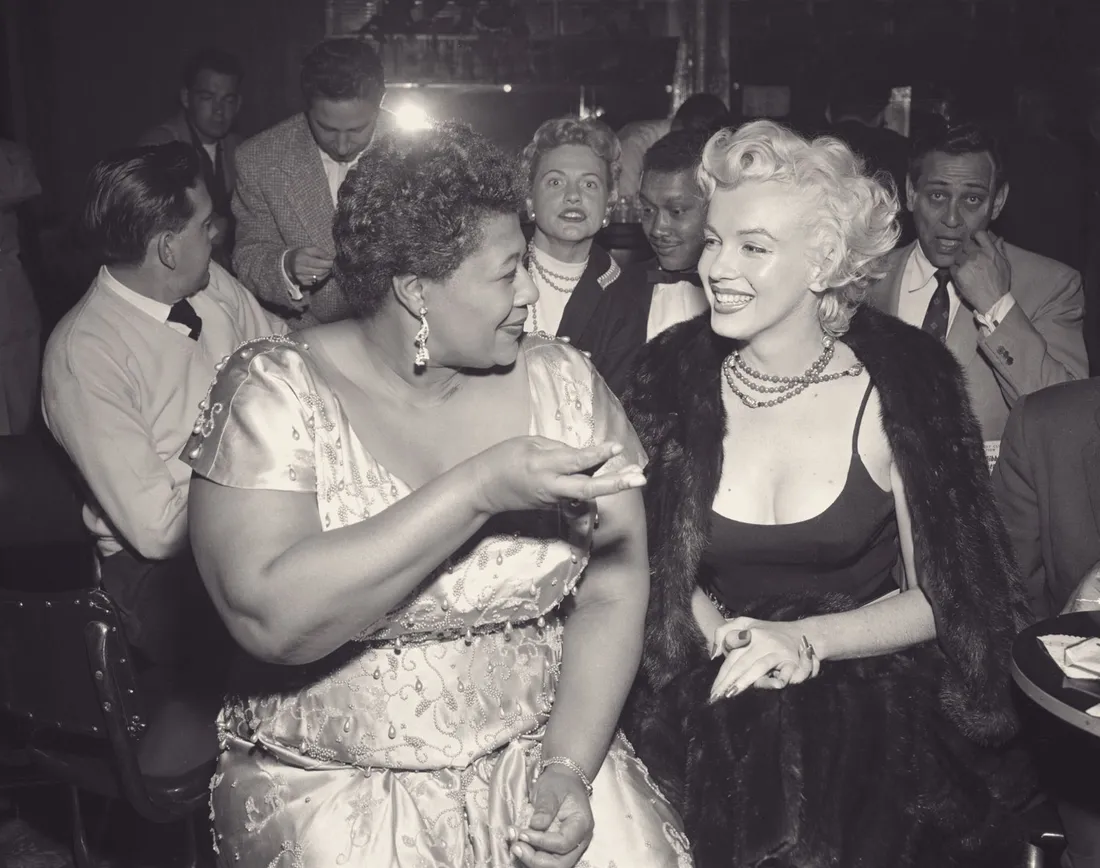
Ella Fitzgerald and Marilyn Monroe at the Tiffany Club, Hollywood, 18.11.1954
Art Detective · a story of honour
Who Cares: Ella and Marilyn
They were so different that 1950s America would never have seated them at one table. A white Hollywood star — and a Black singer in a country where segregation divided schools, train cars and doors. Yet between them there was a story of gratitude, going both ways. A story of honour and dignity.
A voice that gave her ground to stand on
In 1953 Marilyn is preparing for Gentlemen Prefer Blondes — she has to sing. Her coach Hal Schaefer gives her a task: buy the record Ella Sings Gershwin and listen to it a hundred times.
“I told her to listen to this album because never had there been a singer more in tune than Ella.”Hal Schaefer, Marilyn’s vocal coach
The world saw a pretty blonde. She sat at home taking someone else’s voice apart note by note. Ella’s voice became her support — something to stand on when you have no ground of your own.
“Well, my very favorite person, and I love her as a person as well as a singer, I think she’s the greatest, and that’s Ella Fitzgerald.”Marilyn Monroe
One request
The Mocambo, Hollywood’s most fashionable club, had not booked Ella: the owner, Charlie Morrison, doubted his crowd wanted a jazz singer. Marilyn pressed him to book her and promised to sit in the front row every night. On 15 March 1955 Ella stepped onto that stage. Frank Sinatra, Judy Garland and Eartha Kitt came to the opening.
Later Ella told the story as if Marilyn had sat at the front table every night. Historians checked the wire-service reports: during those two weeks Marilyn was in New York. But Ella’s gratitude lasted a lifetime — that is how we remember someone who once stood up for us.
Jung wrote of the wounded healer: the one who was given too little warmth knows best how to warm another. The girl nobody chose as a child grew up and was the first to reach out.
Without the spotlights
Ella lost her mother early. She lived wherever she could and took any small job, just to earn her bread. At 17 she went on stage at amateur night at Harlem’s Apollo Theater — she meant to dance, but out of fear she sang. And the hall fell silent.
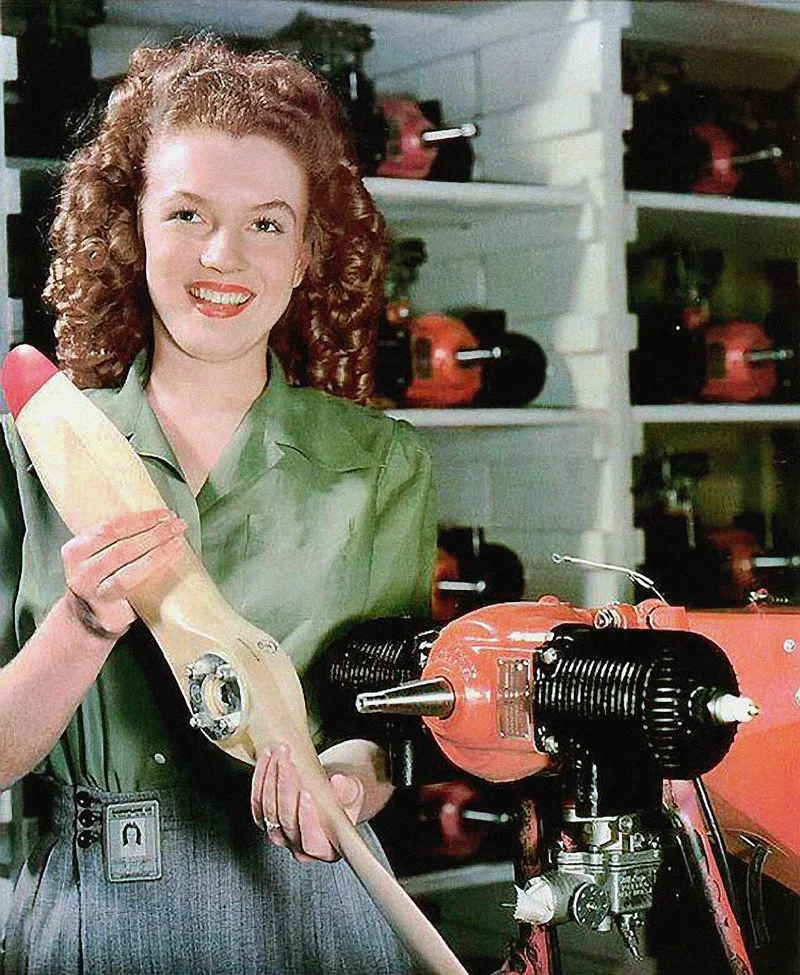
Norma Jeane never knew her father, and her mother could not be there for her. Foster families, an orphanage. In the war — a job at an aircraft plant that built target drones for the army.
One had her roots torn out. The other was never allowed to put any down.
Why they felt each other
Different skin, different stages, almost ten years apart. Yet such people meet — and recognise each other without words. For me a number is an explanation: why these two? I entered their dates into my platform.
Step 1 · Personality notebook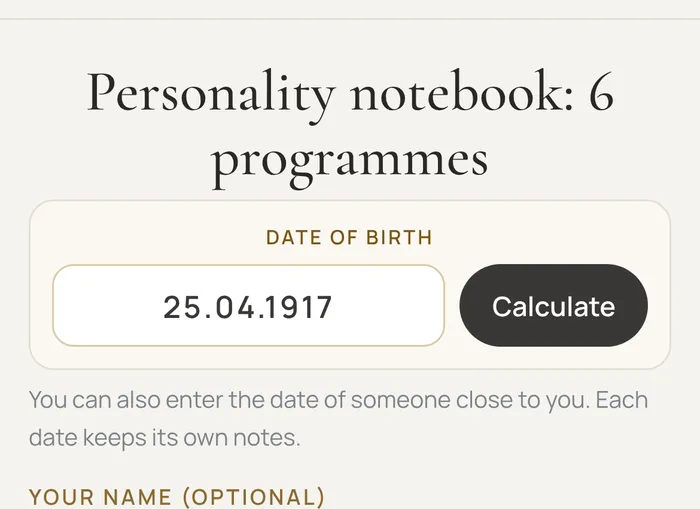
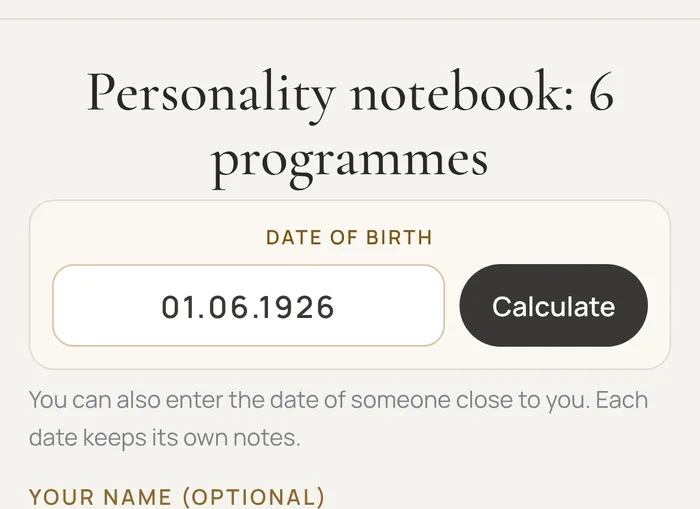
The platform calculates every programme and shows a painting for each note. Ella and Marilyn share six notes — and six paintings. This is what connects them.
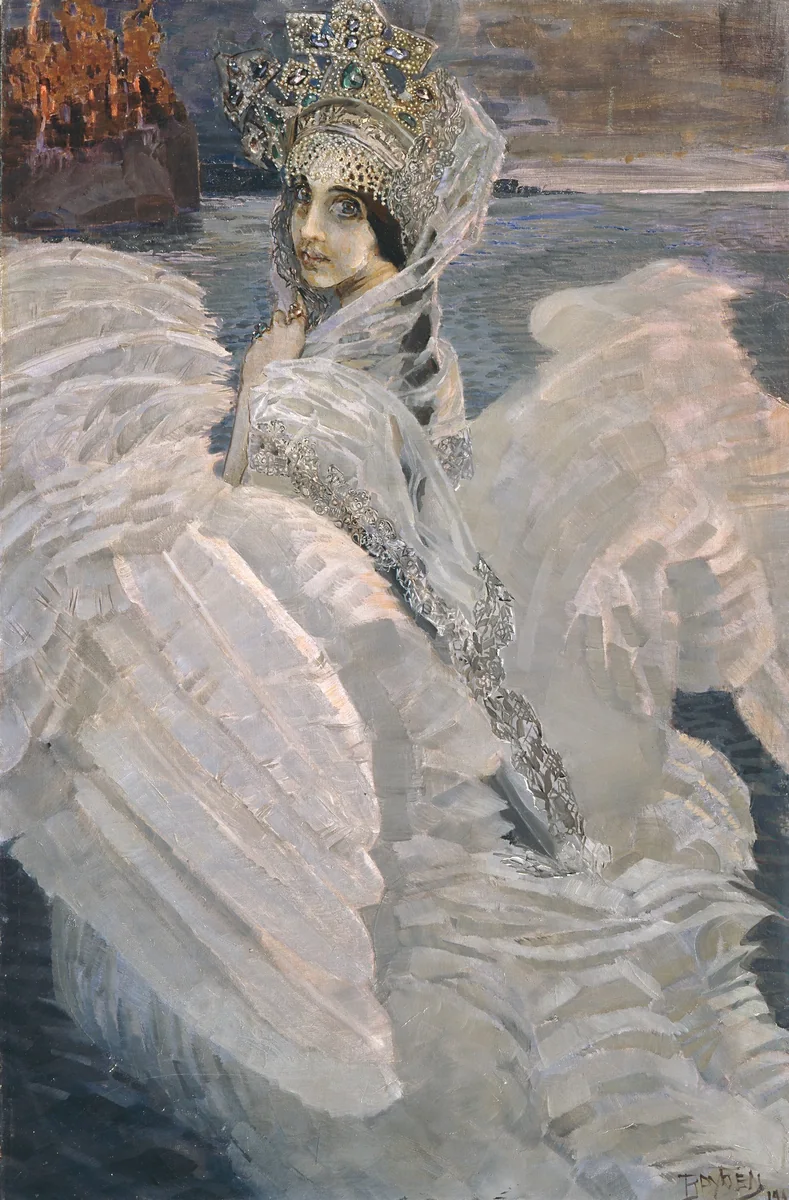
18
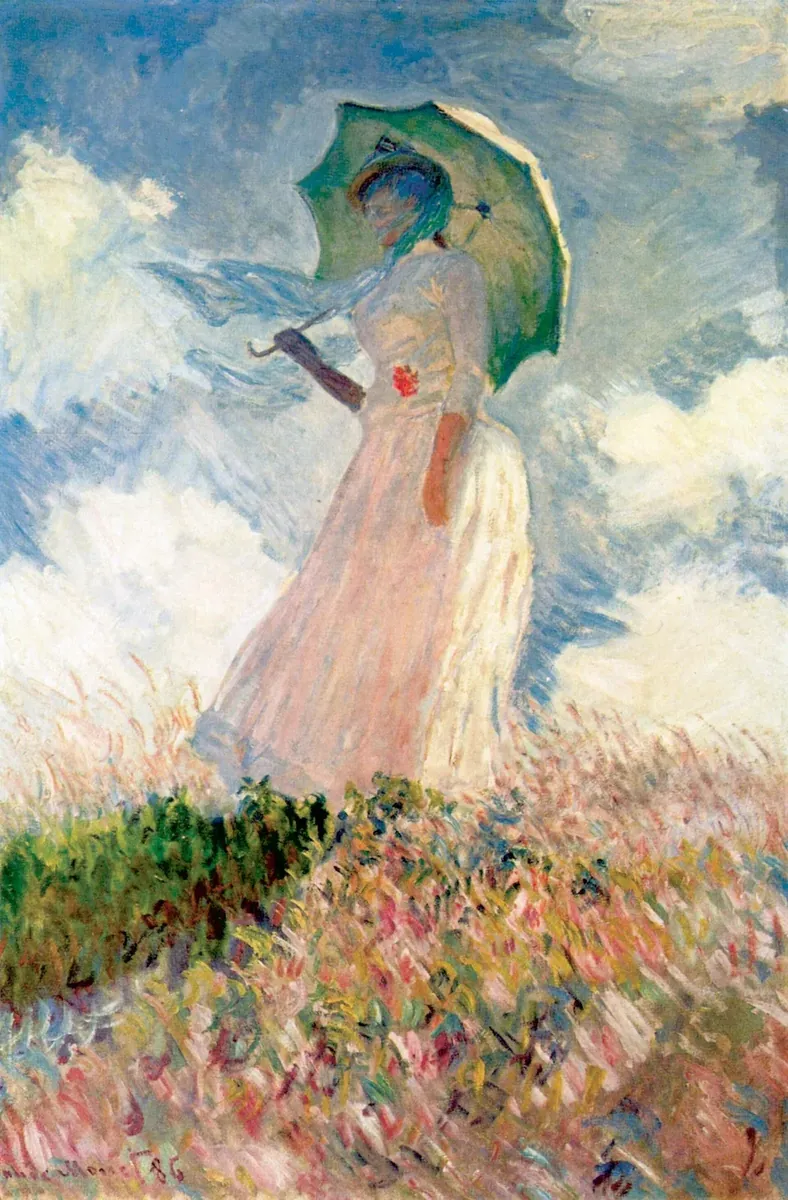
7
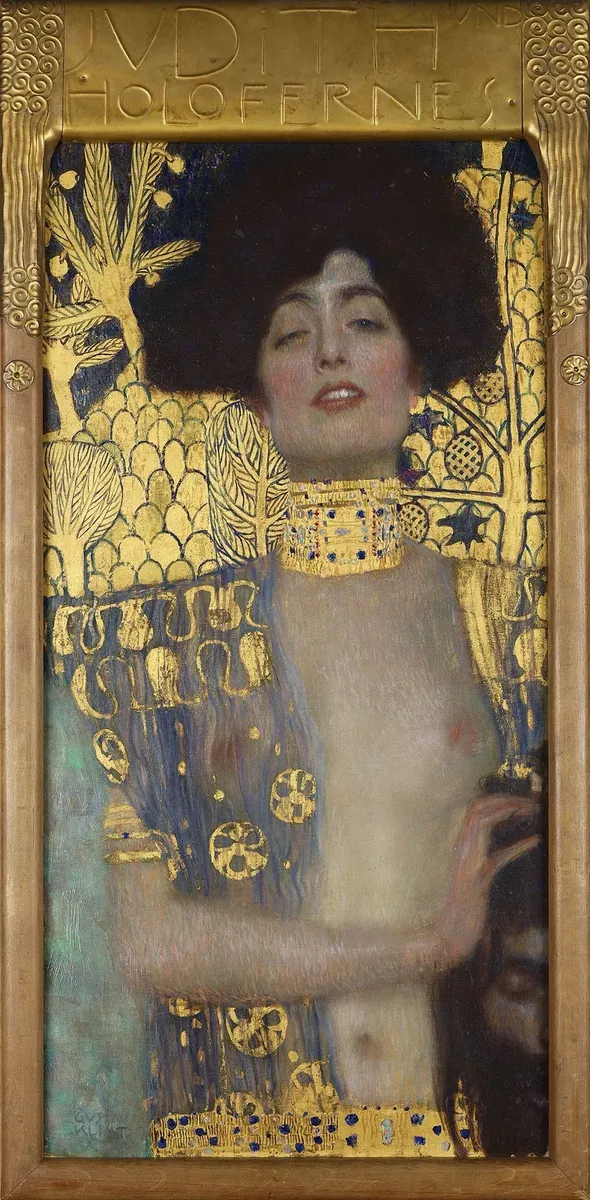
11
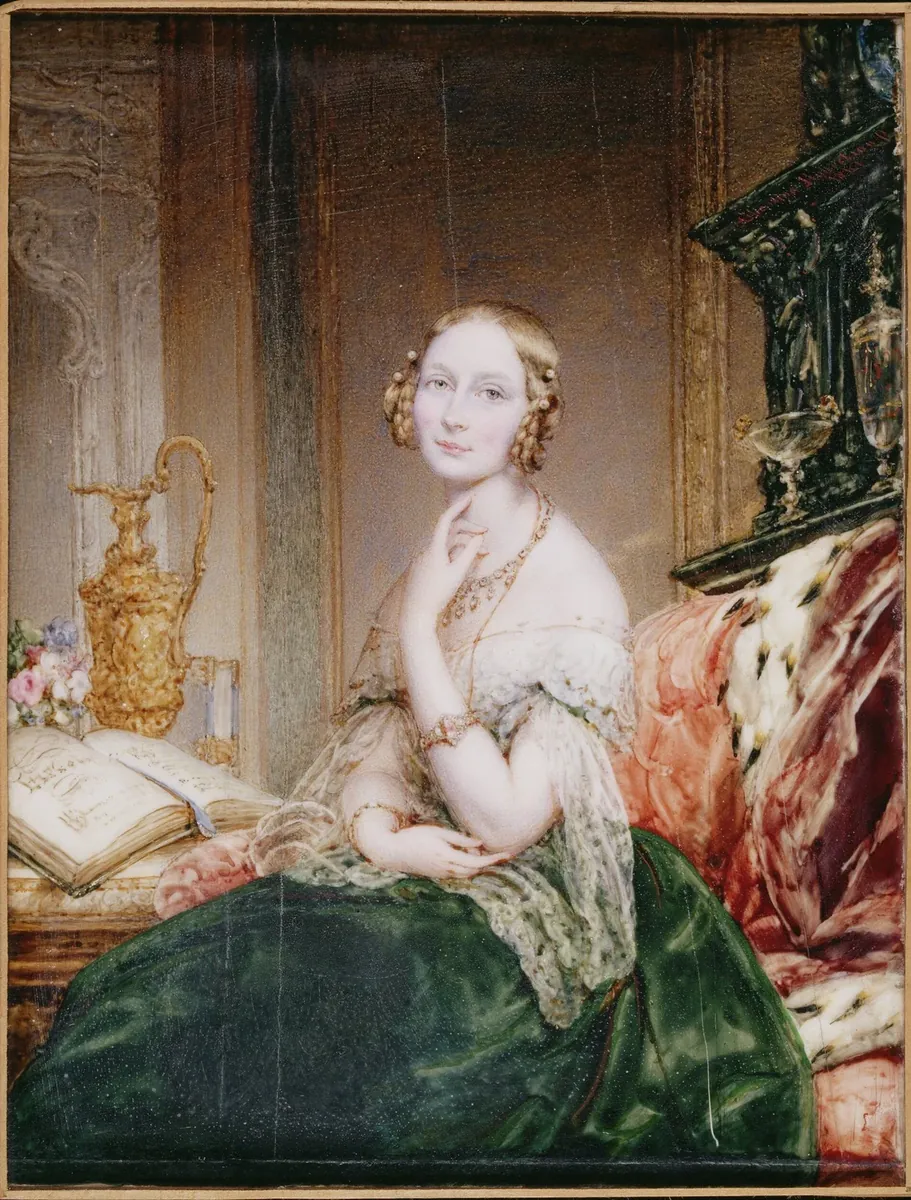
8
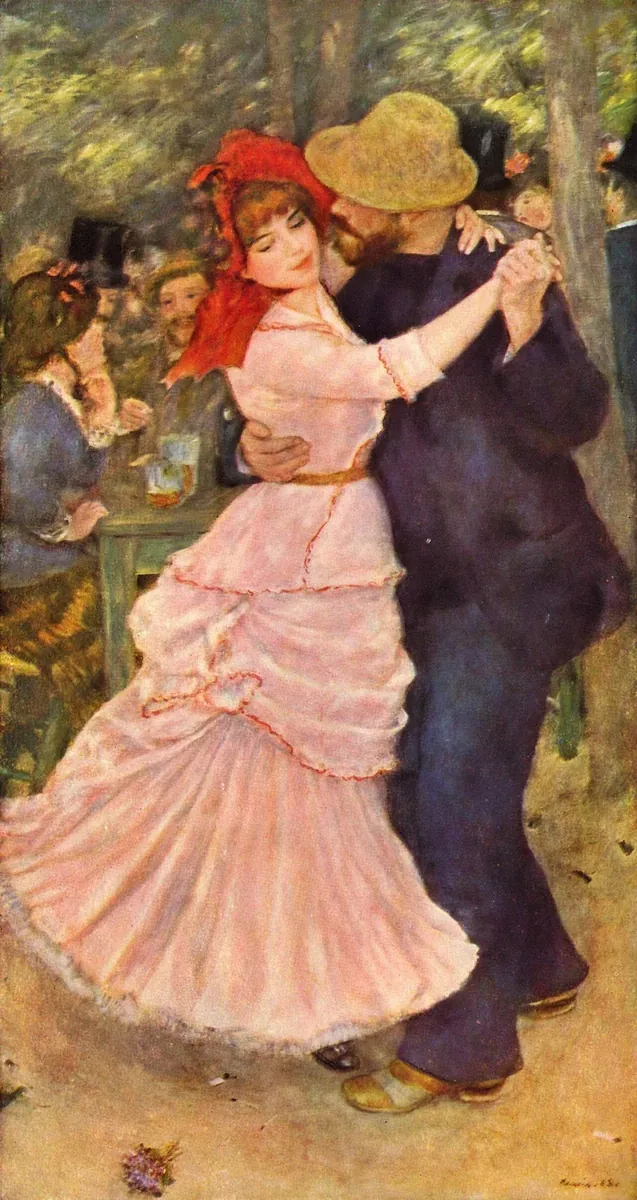
6
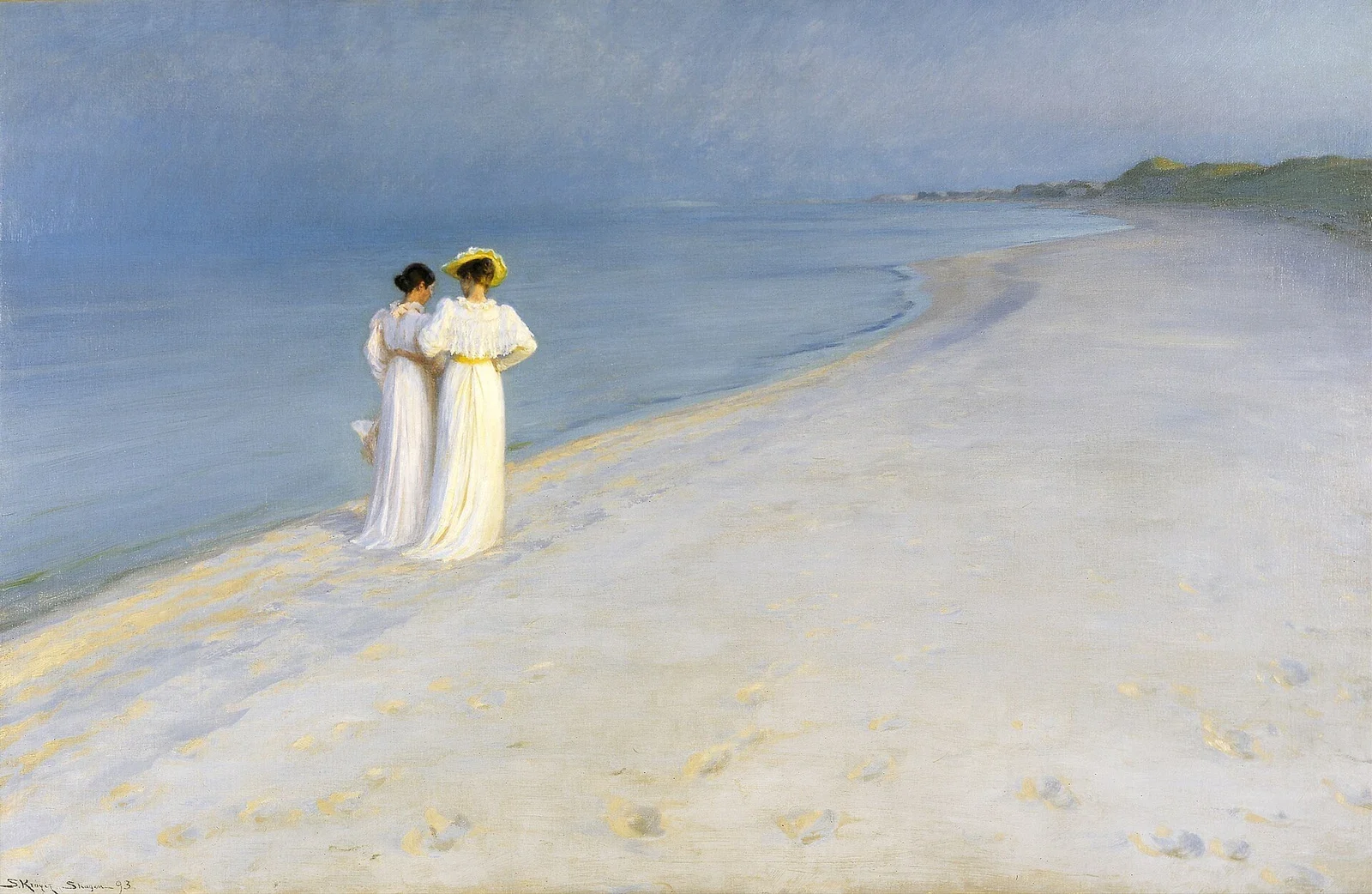
19
The descriptions of the notes come from the platform. Look: two outwardly completely different women carry the same notes. That is why one heard the other.
And each has a painting of her own
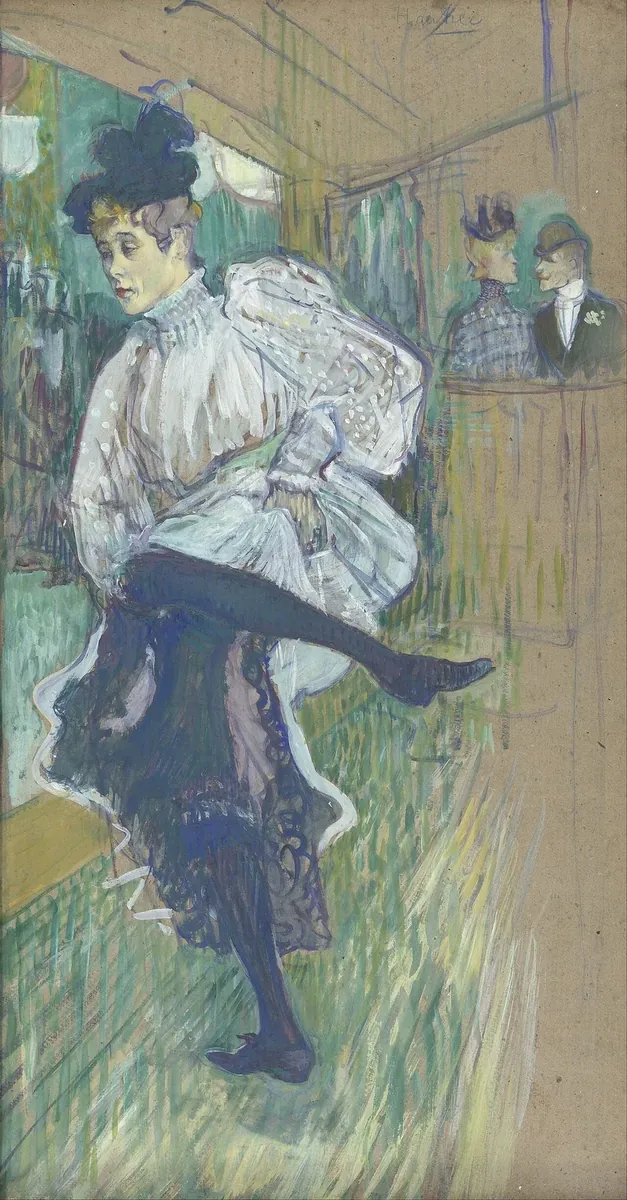
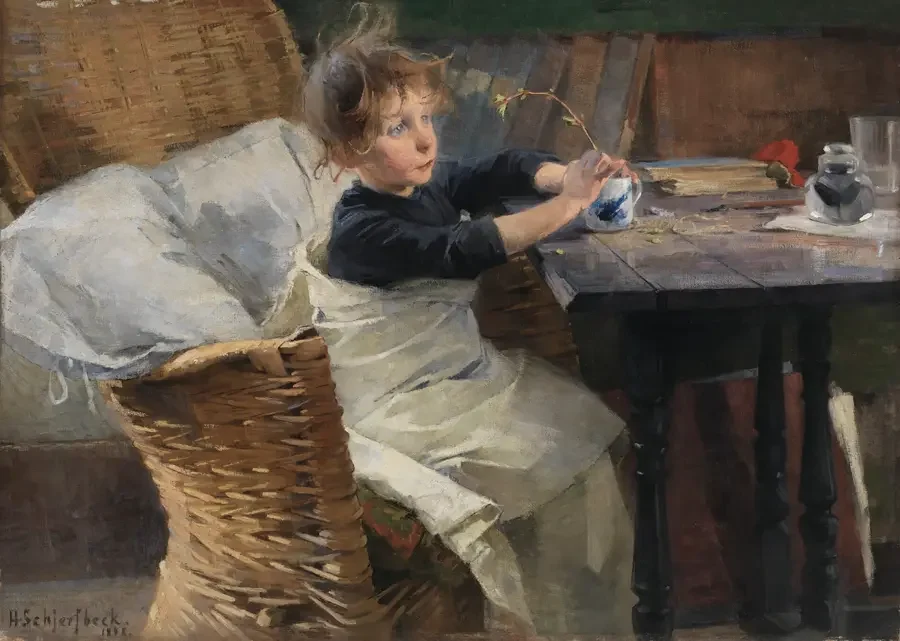
In Ella’s personality there is 22 — the stage and the voice. She went out to dance and sang instead: that is her note. Marilyn’s own note is 13: Marilyn was born out of Norma Jeane. She even chose her name herself.
The corridor: how life tests you
When a note repeats across different spheres, it is like a corridor: life tests you again and again through the same thing. The platform circles these matches.
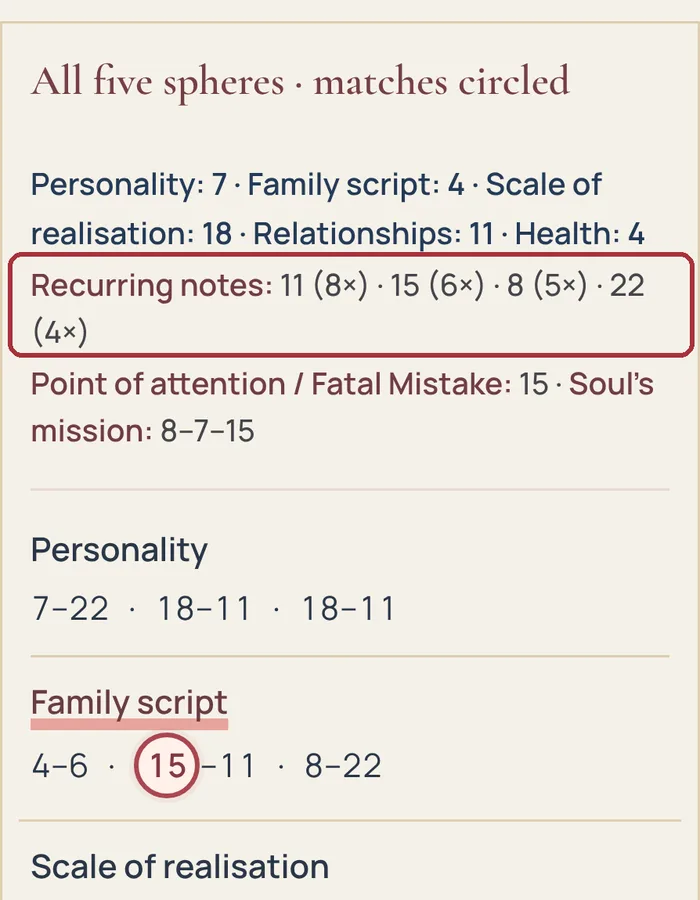
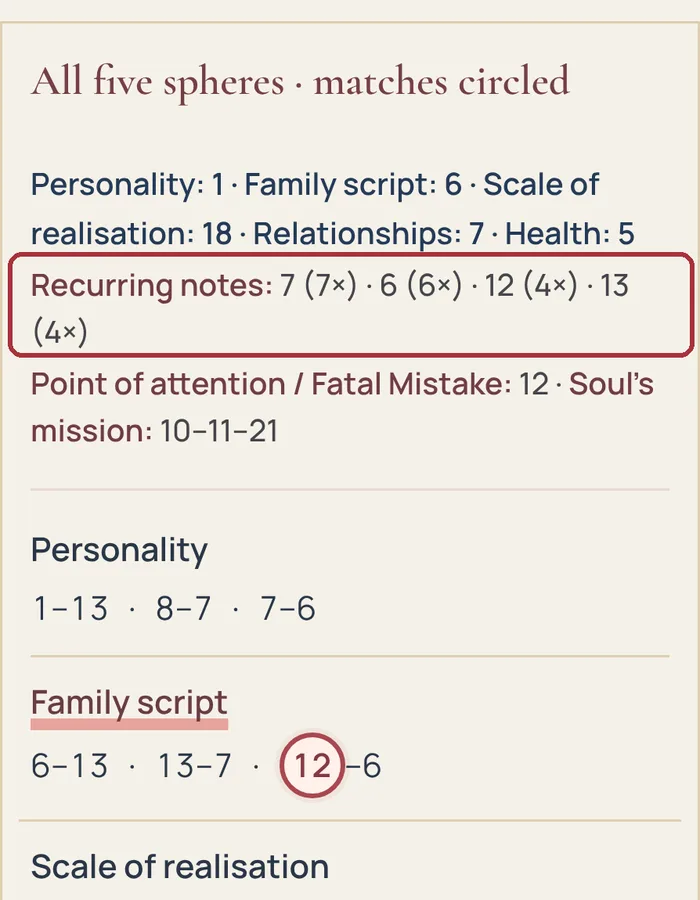
And both repeat 6 — the theme of family and love: in Marilyn it sounds six times, in Ella twice, in her family and her scale. Both looked for a home — and each built it in her own way.
Marilyn’s 12 sits on the fatal mistake — where you must not go: giving yourself away completely — for the role, for a man, for the image. And the same 12 sounds in her family, her relationships and her health.
Outer scale and inner scale
This is not about who was more successful. Both had it hard. But in Ella the inner scale grew together with the outer one, while in Marilyn the outer outran the inner. The summit stands on its roots: on two legs — personality and family.
And here is what matters: if a programme repeats in its minus, it repeats in its plus too. Self-sacrifice can become dignity — giving without disappearing. A number decides nothing for us. It hints where to invest our strength. A hint, not a fairy tale.
What they left behind
“Man, woman or child, Ella is the greatest of them all.”Bing Crosby
Ella. At the very first Grammy Awards (1958) she became the first African American woman to win one — and the first woman to win two. Thirteen Grammys in all, more than 40 million albums sold. Her Songbook series — Gershwin, Porter, Ellington, Berlin — gathered American classics into one voice: singers still learn from those records.
Marilyn. In January 1955, at the height of her fame, she walked away from Fox and, with photographer Milton Greene, founded her own company, Marilyn Monroe Productions. Within a year the studio gave in: a new contract, a higher salary, director approval. Her company produced The Prince and the Showgirl. She is often called the second woman producer after Mary Pickford — that is not accurate: dozens came before her. But the actress who challenged her own studio at the peak of the studio system, and won, was her.
One opened doors for those who were kept out. The other showed that a star can own her fate. Both changed the industry’s rules from the inside.
Questions for yourself
- Whose voice once gave me ground to stand on?
- Whom have I stood up for — or could I?
- What does life keep testing me with, again and again?
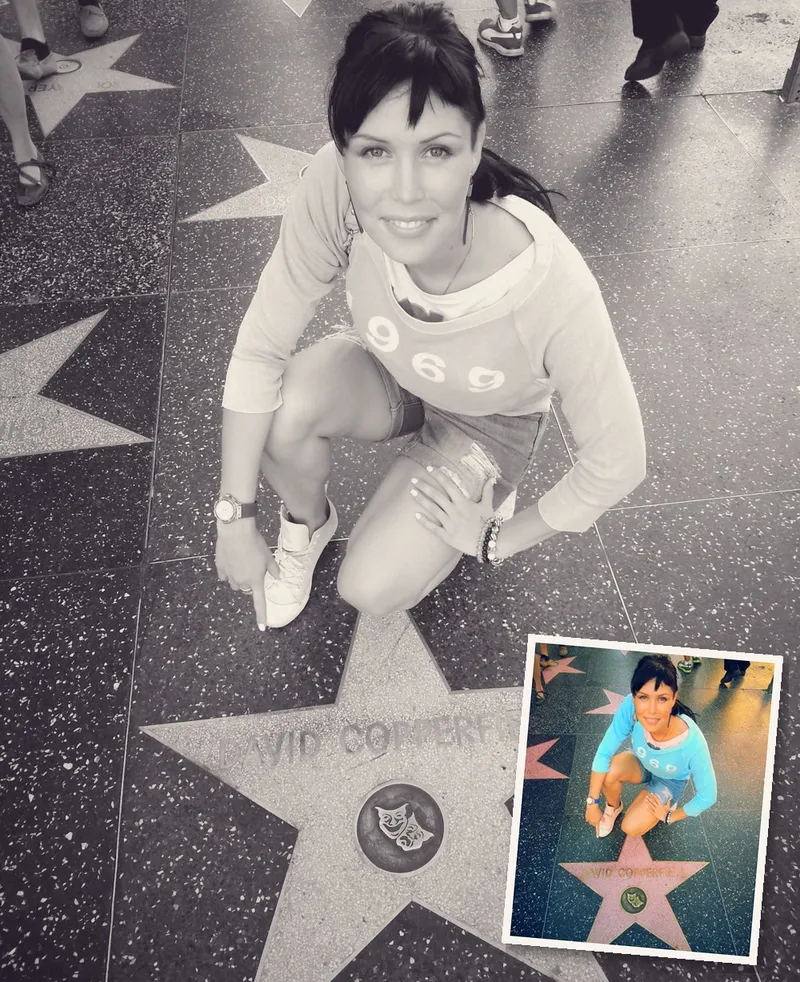
P.S. I have been on the Walk of Fame too. In the sixties a star there was the summit. Today it is a noisy tourist street — and people walk over the names of the great. A strange feeling: strangers stroll across your name. Though I walked there myself — and smiled. Places like this are worth seeing, and I am grateful to life that I was there. And more than once…
P.P.S. And for some reason I knelt at David Copperfield’s star. Perhaps even then I sensed I would have a magic of my own — the magic of numbers. A hello from the future. Copperfield (born David Seth Kotkin) was born on 16.09.1956. Forbes called him the most commercially successful magician in history; he received his star in 1995 — the first living illusionist to get one. His day on the platform is 16, The Tower: what did not hold falls, and the truth comes out. For the man who made the Statue of Liberty “vanish” — almost a self-portrait.
Sources: Biography.com · West Hollywood History — the Tiffany and the Mocambo · Judith Tick, Becoming Ella Fitzgerald — the front-row promise · Snopes — the Mocambo, 1955 · Hal Schaefer on Ella Sings Gershwin · Norma Jeane at the Radioplane plant, 1944 · GRAMMY.com — Ella’s firsts · History.com · Biography.com — Ella (Bing Crosby’s words) · MAS — Marilyn Monroe Productions, 1955 · Women producers before Marilyn · Walk of Fame — David Copperfield. Photos: Tiffany, 1954 — open archive, Wikimedia Commons; 1944 — David Conover, US Army. Paintings and note descriptions — from the platform “You are art. You are a painting”.