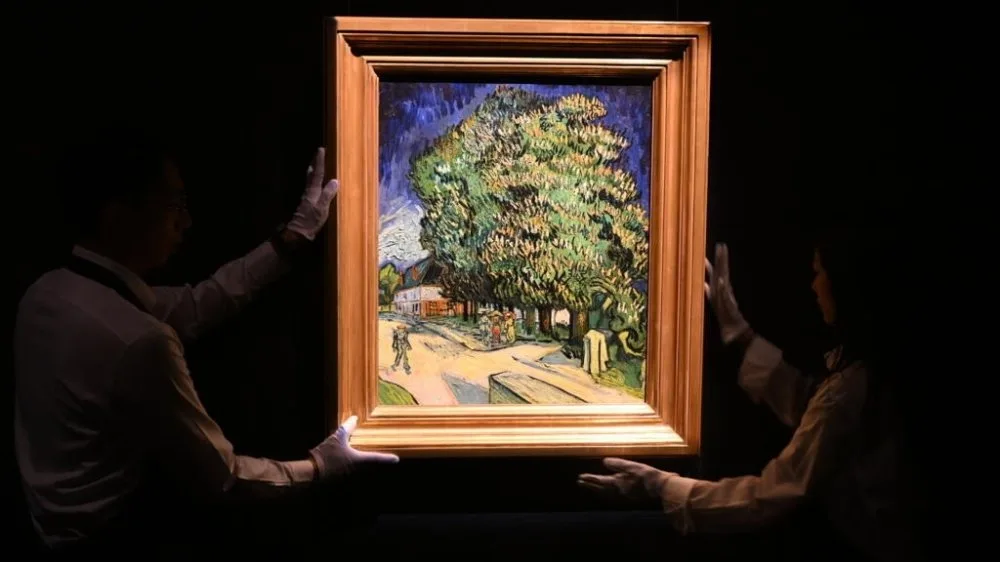
Vincent van Gogh, Chestnut Trees in Blossom, May 1890. Sotheby's preview
Art news · November 2026
Paintings the world will see again
A Van Gogh that Johanna once held in her hands. Cézanne's son dressed as Harlequin. A model who carried someone else's name for almost a hundred years. And Picasso, whose love life was an SOS. Let's train our eye and join the auction — at least with a look.
The chestnuts Johanna held in her hands
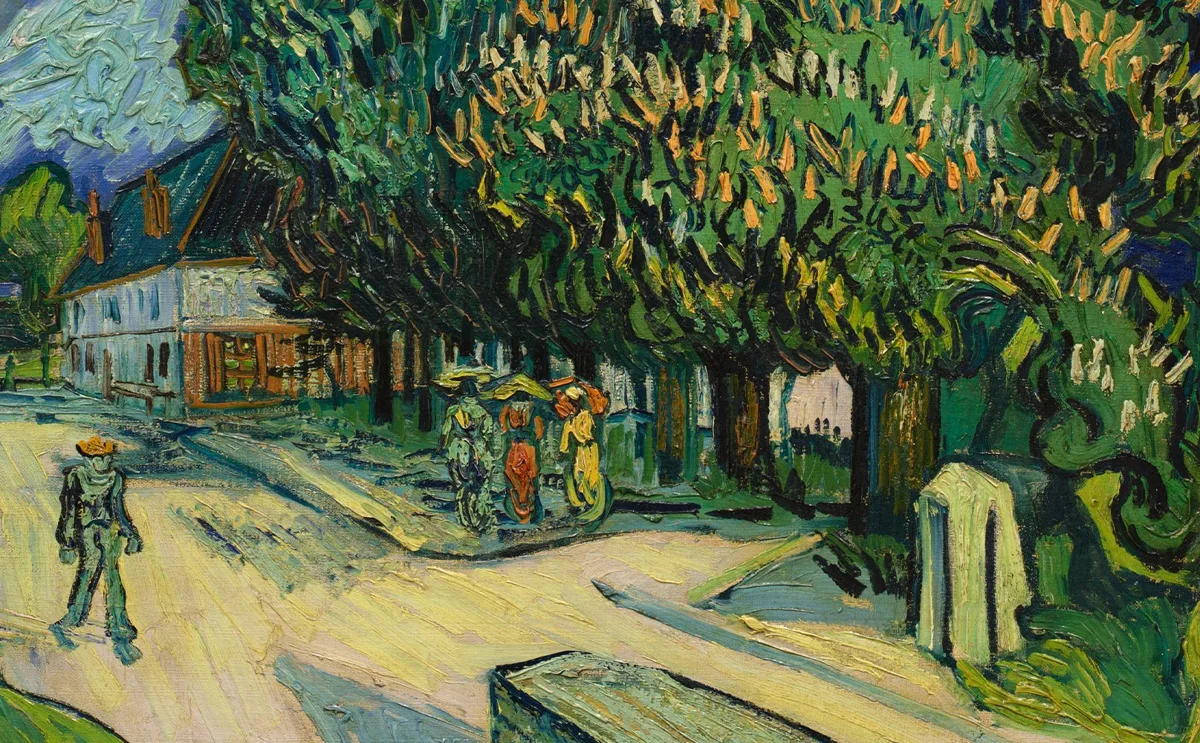
Vincent van Gogh (1853–1890), Chestnut Trees in Blossom, May 1890. 70 × 58 cm. Private collection; Sotheby's, New York, 18.11.2026.
May 1890. Vincent has just moved to Auvers-sur-Oise near Paris. He has about two months left to live. He paints the chestnut trees in bloom.
On 18 November Sotheby's (an auction house — a company that sells art at auction) will offer this painting in New York. The estimate is about $180m. Van Gogh's current record is $117.2m: that is what another of his blossoming landscapes, Orchard with Cypresses, fetched in 2022. If the chestnuts sell at the estimate, the record will fall.
Now the detail that gives me goosebumps. After Vincent's death the painting passed to his brother Theo. Half a year later Theo was gone too, and everything went to his widow — Johanna van Gogh-Bonger. She was 28, with a one-year-old son, about two hundred paintings nobody valued at the time, hundreds of drawings and Vincent's letters to his brother.
Johanna held all his work in her hands. She opened a guesthouse in Bussum to make a living, and at the same time organised exhibitions, handled sales, published Vincent's letters in 1914 and kept translating them into English until her last days — 526 letters. She kept the best in the family and sold the rest under her own control. She sold the chestnuts in 1905. That too was her move: Vincent's name had to reach people.
Later the painting passed through the hands of the Berlin publisher Samuel Fischer and the Hollywood songwriter Buddy DeSylva, and in 1975 it was bought by the Argentine collectors Carlos Pedro and Nelly Blaquier. It was last exhibited in 1964, at the Guggenheim Museum in New York. For 62 years nobody saw it. In October people queued to see it in Hong Kong.
Johanna, 04.10.1862: 4 · 10 · 17. Four in the personality — the Emperor: support, order, inner strength. In a fragile woman sounded an energy usually called masculine. And the zero before the four is a reset through support: she lost it early and rebuilt it herself. Ten in the family line — the Wheel of Fortune, a sharp turn of fate.
17Vincent, 30.03.1853: 3 · 3 · 17. Three twice — a voice, the wish to be seen. And their scale is the same: 17, the Star — a light that shows others the way. His star never lit up in his lifetime. Her star lit his.
Why her? Where did this instinct, this capacity for work, this readiness to take everything on — to translate, to keep every letter — come from? How did masculine and feminine energies meet in one fragile woman? I went through all of this in my private Telegram channel for women: stories, short videos, the three notes of fate of Johanna and Vincent.
Harlequin is his son
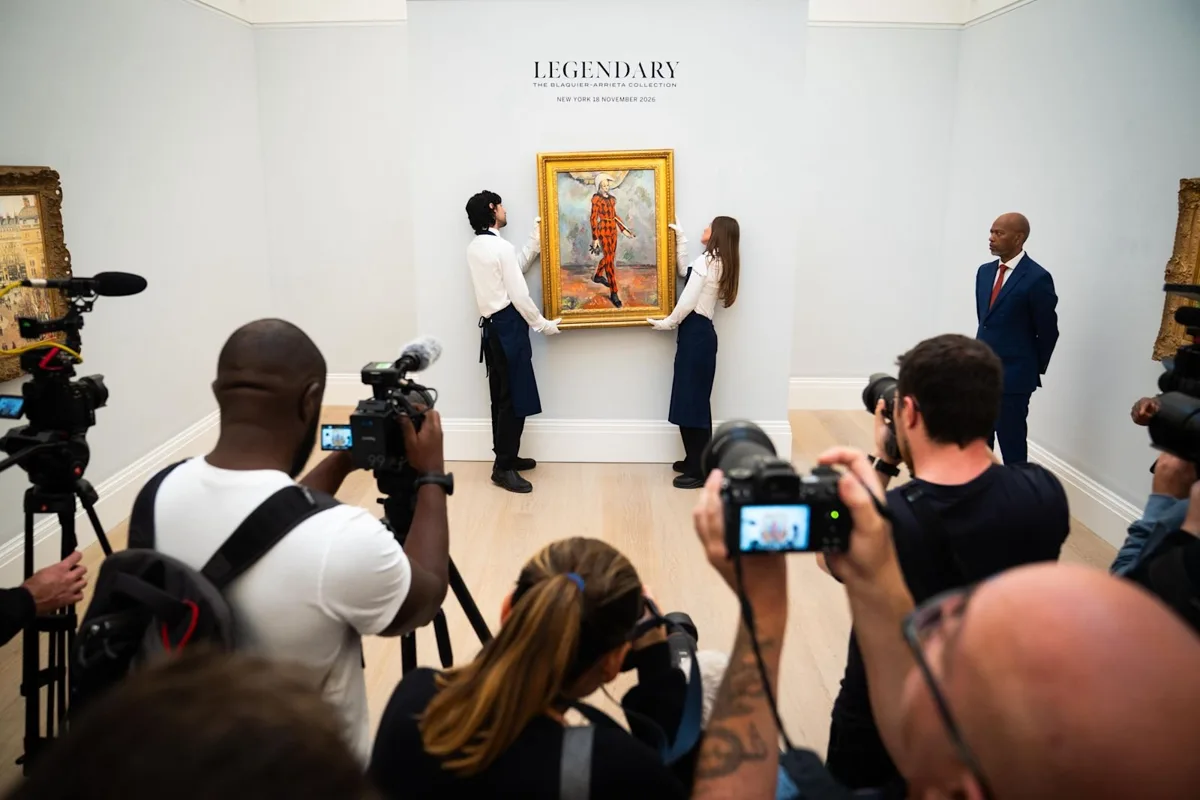
The same collection includes Cézanne's Harlequin, estimated at about $120m. The model was the artist's son, Paul. Cézanne painted him in the costume of Harlequin (the merry servant of Italian comedy, dressed in diamonds) four times, and this is the only version still in private hands. Cézanne's record is $137.79m, and Harlequin could overtake it.
A hundred years under someone else's name
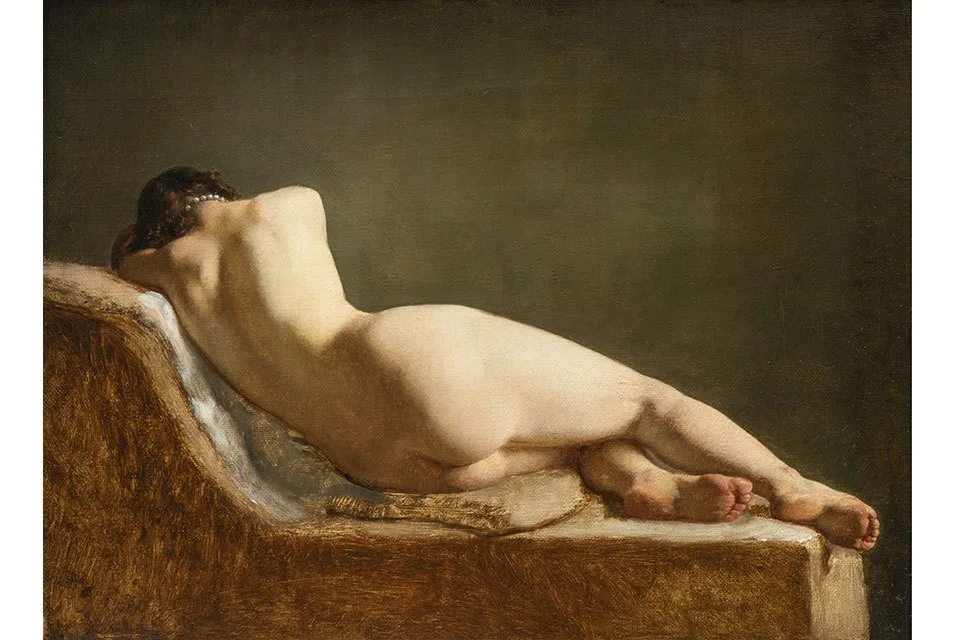
A nude model lies with her back to us, her face hidden. For almost a hundred years the painting was thought to be by Wilhelm Marstrand, a well-known Danish artist. Around 1930 it was attributed to him because his name sold better.
The real author is Adam Müller. He entered the Academy of Fine Arts at 10 and died of tuberculosis at 32. The art historian Jesper Svenningsen found in the archives that the painting had hung in the flat of Müller's teacher, the painter Eckersberg — and precisely as Müller's work. That is how attribution works (establishing who really painted a picture).
A daughter her mother painted as perfect
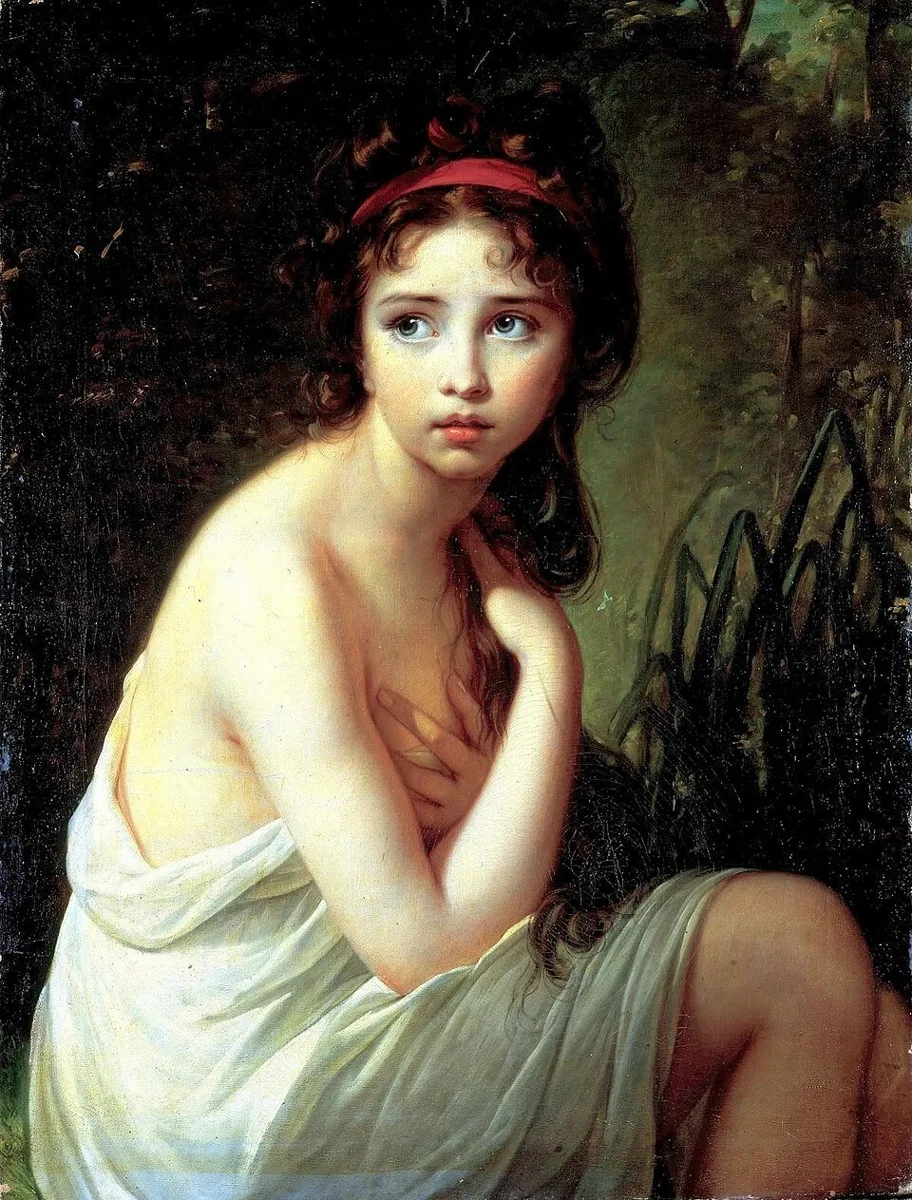
Vigée Le Brun painted her daughter Julie many times: as a bather in 1792, with a guitar in 1797–1798. Here Julie is 12. Through the painter Greuze the picture was bought by the Russian prince Nikolai Borisovich Yusupov, a direct ancestor of the Yusupov who killed Rasputin. It was last shown at the 2015–2016 exhibition in Paris and New York. On 3 February 2027 Christie's will sell it, estimated at $1.8–2.2m.
In real life Julie grew up and in 1799 married Gaétan Bernard Nigris. Her mother did everything to prevent the marriage and in the end agreed. Their relationship stayed strained for a long time. They made peace before 1819, when Julie died — before her mother. The perfect girl on the canvas and the living daughter are two different stories.
Picasso: in love — SOS
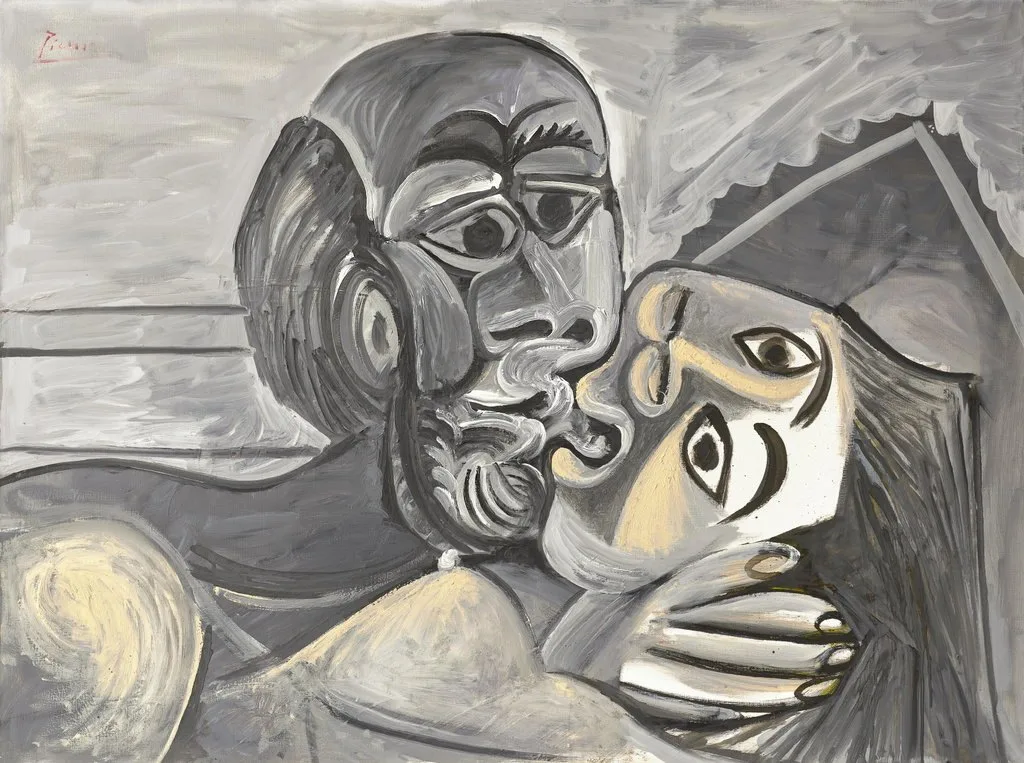
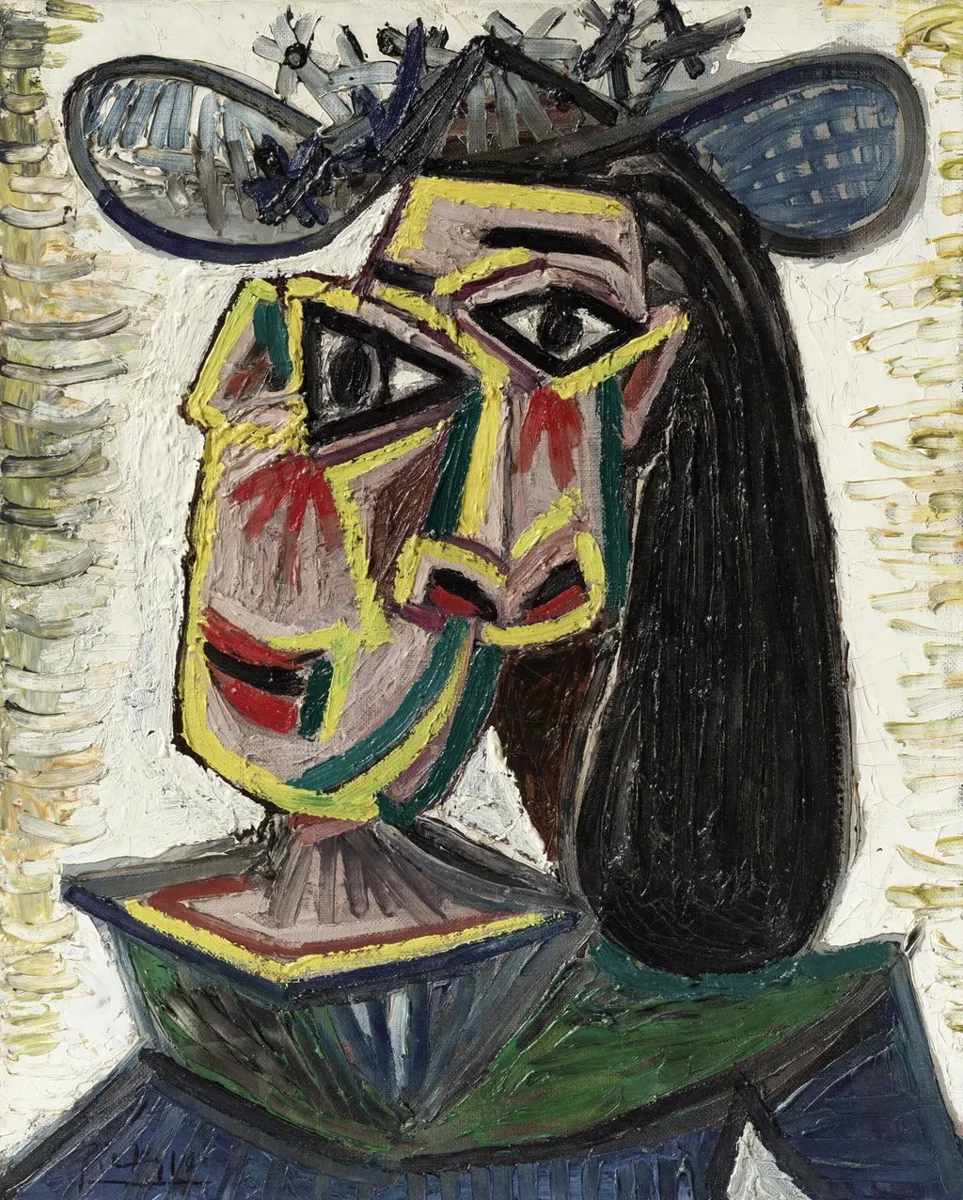
On 17 November Christie's sells two Picassos at once: The Kiss and Head of a Woman. The second shows Dora Maar, a photographer and artist, one of the key women of his life.
I did a large study of Picasso's women. I worked through their dates and looked at what repeats. Again and again 6, 18 and 12 sound — and all in the minus. In my reading: 6 is love and choice, and in the minus it is dependence and choosing against yourself; 18 is the Moon: illusions, jealousy, anxiety; 12 is sacrifice: giving yourself away completely.
Picasso was great in art. But with women it was an SOS. Picas-SOS.
The artist Françoise Gilot (1921–2023) was with him for almost ten years, from 1943 to 1953, and left him herself. In a 2017 interview she recalled that Picasso told her women were either goddesses or doormats. Gilot did not become a doormat.
Other women in his life had harder fates. Dora Maar had a nervous breakdown, was treated by the psychoanalyst Jacques Lacan and struggled with depression all her life. Marie-Thérèse Walter took her own life in 1977, four years after Picasso's death. His second wife, Jacqueline Roque, in 1986.
My whole study of Picasso's women — their fates and their dates — is in my private Telegram channel for women.
Charlotte is 25
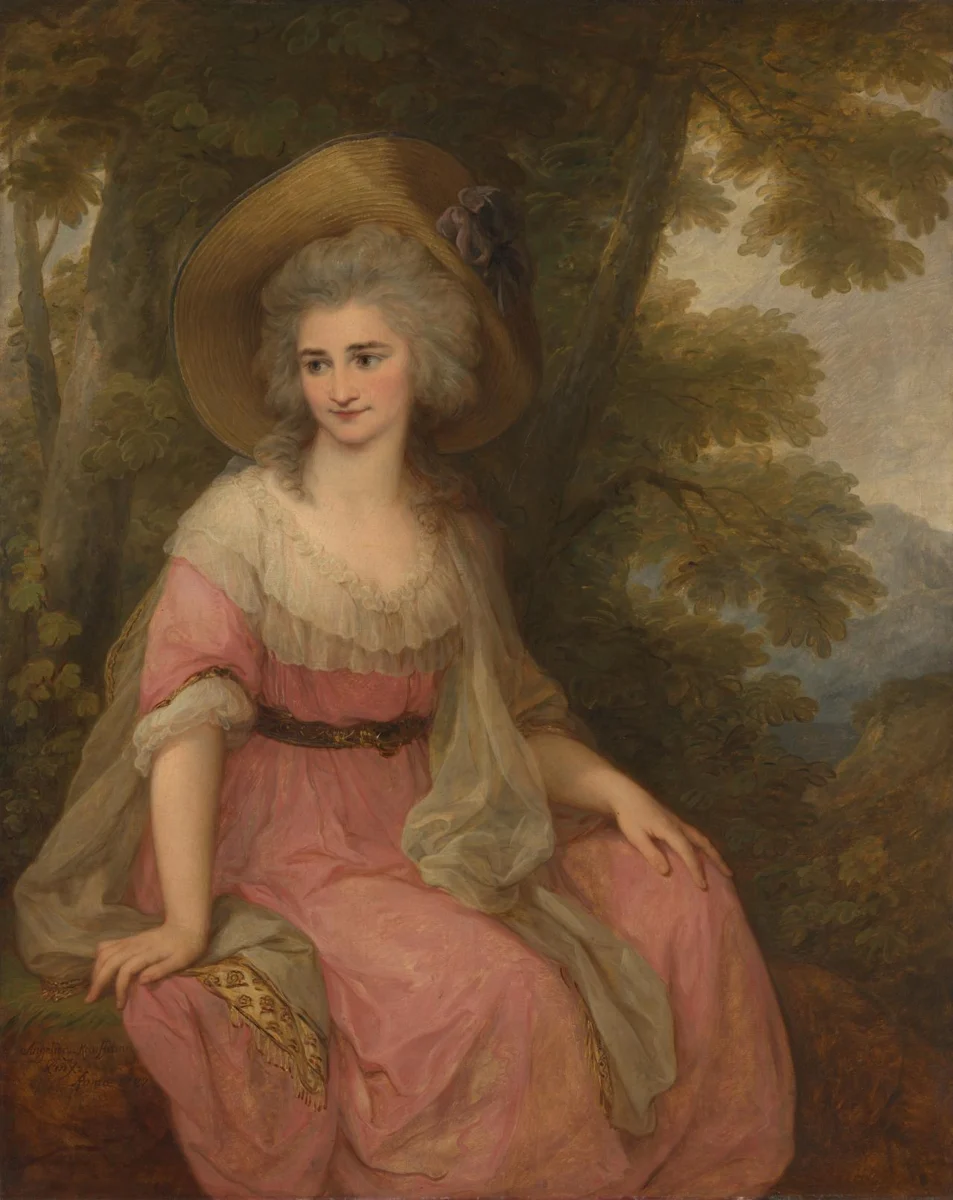
The National Gallery of Victoria in Melbourne has bought the portrait of Charlotte Clive from Powis Castle in Britain. Charlotte was the daughter of Robert Clive — "Clive of India", the first British governor of Bengal. She was born on 19.01.1762; in the portrait she is 25. The painting hardly ever left the house: in 239 years it was exhibited only three times.
Eight years after the portrait, on 20 October 1795, Charlotte died. She was 33 and never married. Her sister Rebecca died the same year. Almost nothing of Charlotte remains — except this portrait.
Also this week
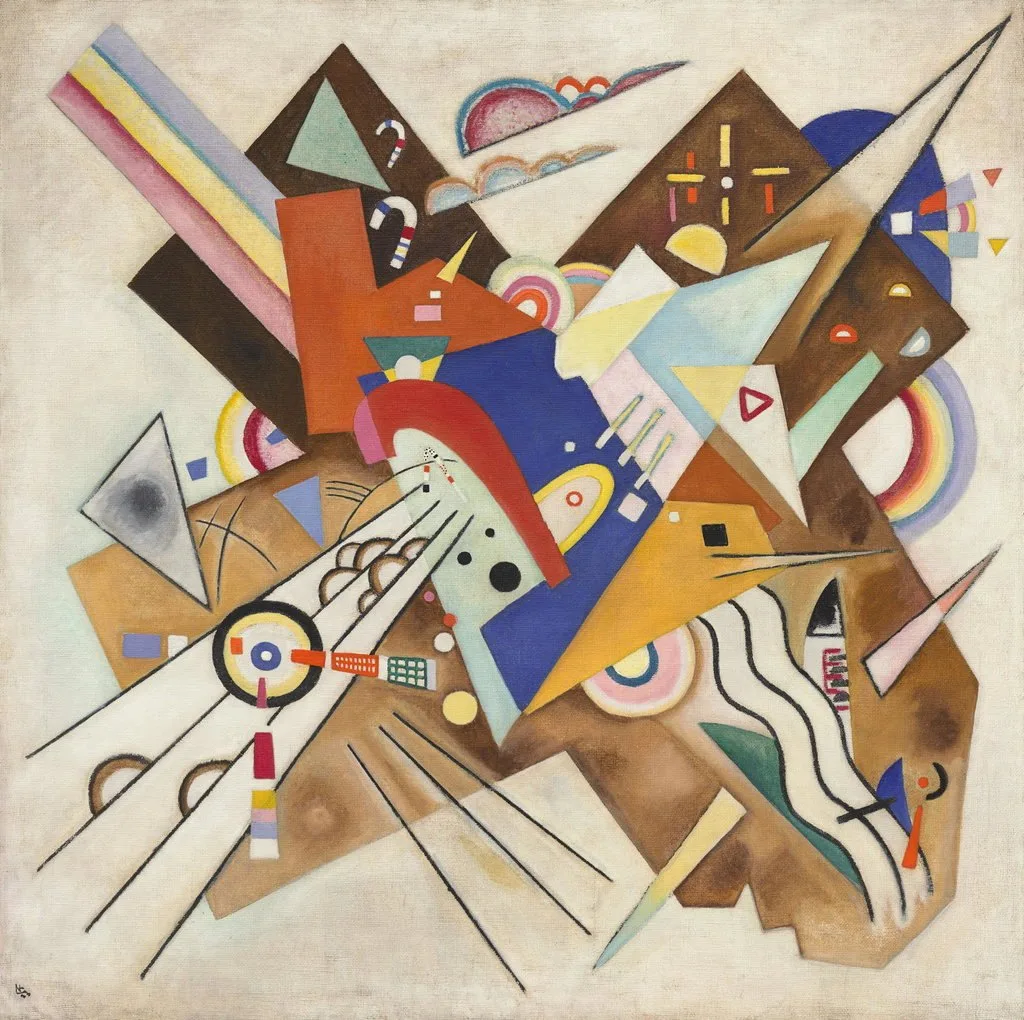
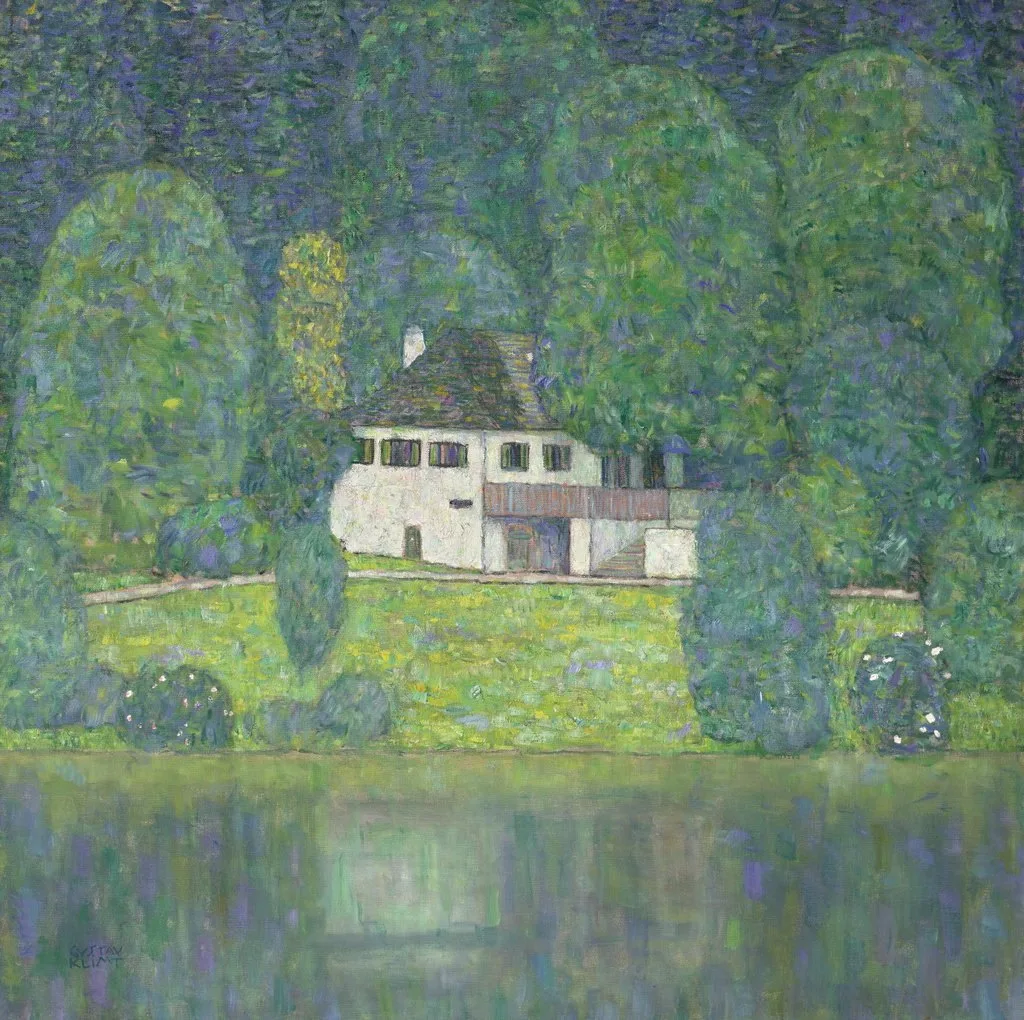
- On 17 November Christie's in New York sells a Kandinsky and a Klimt, at $60–80m each.
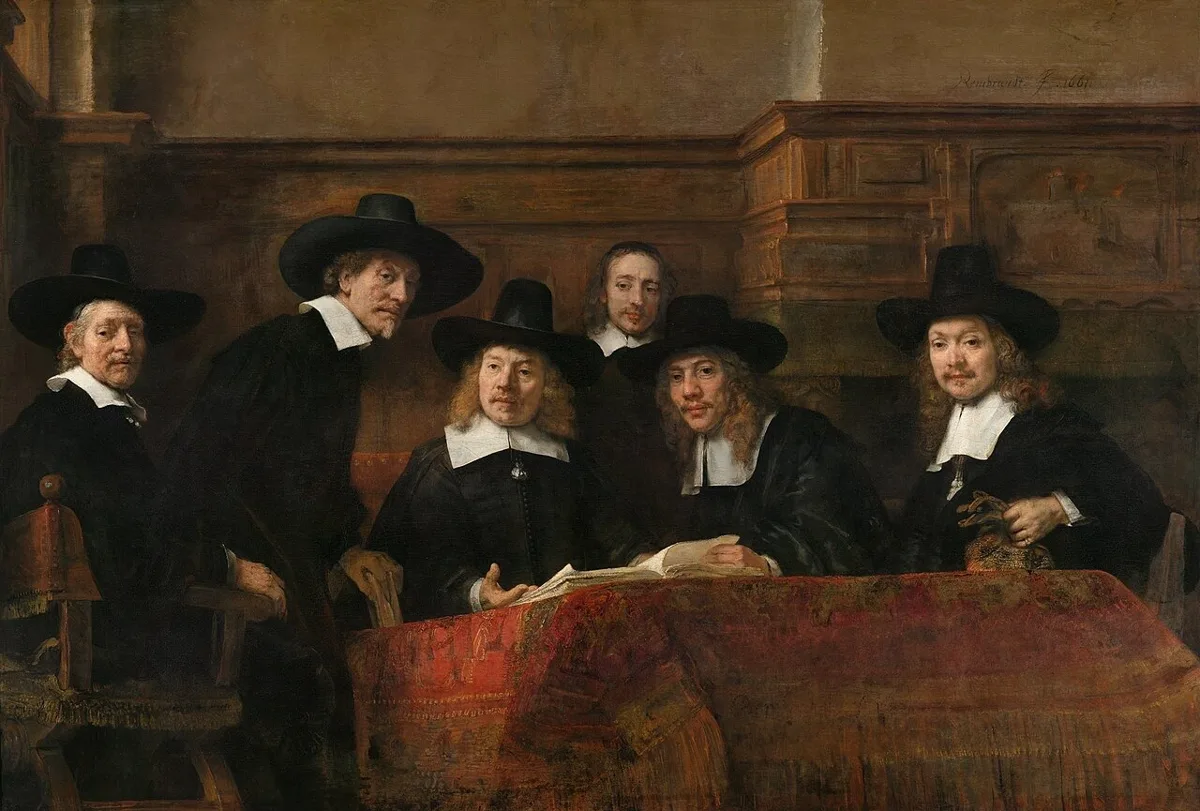
- On 6 November the Frans Hals Museum in Haarlem opened "Hals — Rembrandt": 19 paintings by the two masters in pairs, among them Rembrandt's The Syndics (1662). Until 28 February 2027.
And which painting are you? The one that waited decades to be seen — or the one that carried someone else's name for a hundred years?
Join the private channel for women ›
Sources: The Art Newspaper, 02.10.2026 · The Art Newspaper, 02.11.2026 · Art in Context · HENI, 2022 · HENI, 29.10.2026 · Artdaily, 03.11.2026 · Finestre sull'Arte, 02.11.2026 · Art History News, 02.11.2026 · Art History News, 03.11.2026 · CBS News, 2017 · Wikipedia: Julie Le Brun · Wikipedia: Françoise Gilot · Wikipedia: Dora Maar · Wikipedia: Marie-Thérèse Walter · Wikipedia: Jacqueline Roque · Wikipedia: Margaret Clive (children, Charlotte) · Wikipedia: Kandinsky · Wikipedia: Klimt · Artlyst: Litzlbergkeller · Wikipedia: The Syndics · Halo effect · Spotlight effect
Images: Sotheby's, Christie's, owning museums.