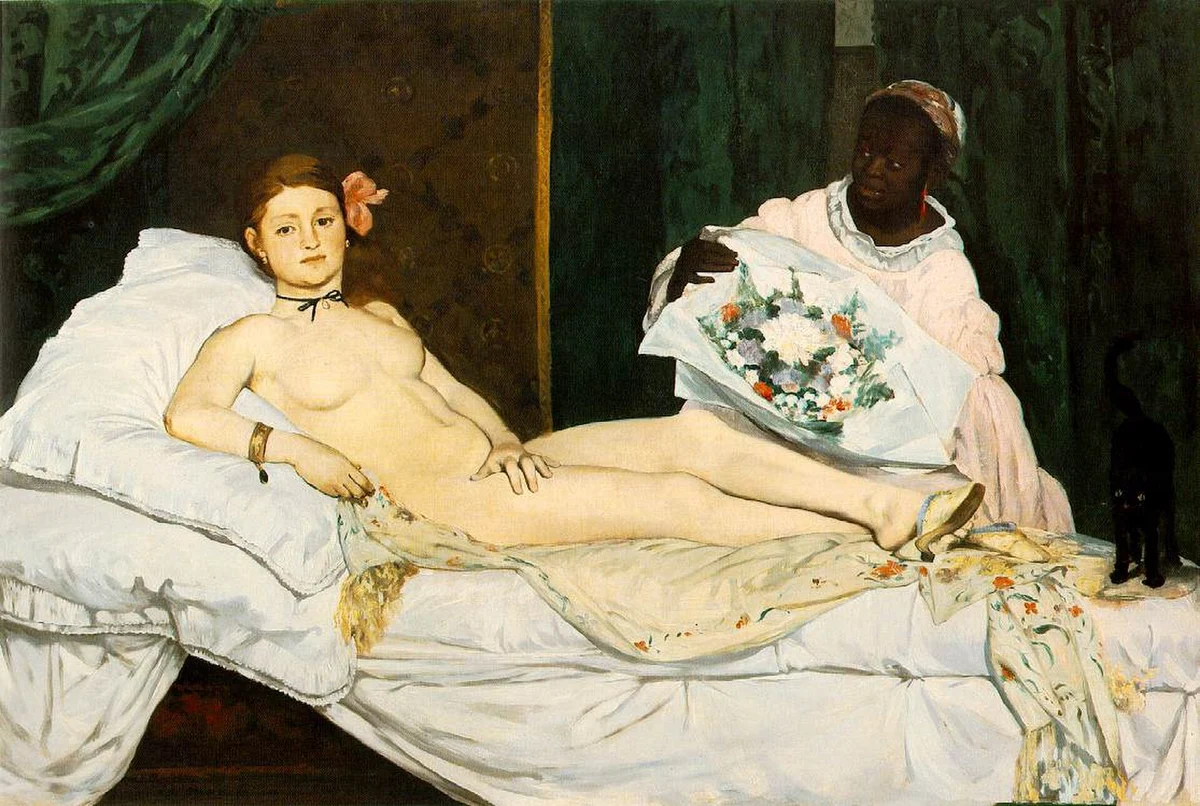
Édouard Manet, Olympia, 1863. Musée d’Orsay, Paris
Art on art
Who are you, Olympia?
Victorine Meurent: Manet’s muse, a musician, a painter. The whole world knows her face, and almost nobody knows her. I entered her date into my gallery, and the paintings told me what stood behind that famous gaze.
I’ll admit it: I didn’t know about her. I first heard of her at a lecture on the Impressionists, and it never occurred to me to look up who the woman in the painting was. Then, while preparing a lesson on artificial intelligence, my mind handed me exactly this painting by Édouard Manet. That’s how I fell for Manet, and for his model. And I wanted to tell the story of how she lived.
The selfie of its day
Paris, 1865. At the Salon, guards are posted beside one painting, the crowd is that outraged. Later it is rehung higher, almost up by the ceiling.
The painting is Édouard Manet’s Olympia. A naked woman lies on white sheets and looks straight at you. Calm, unashamed, completely in charge.
Why the scandal? The Salon was full of nudes. But they were goddesses and nymphs. This was a Parisian woman people recognised. The Salon back then was like our social media feed: everyone knew everyone, everyone posed for everyone, everyone checked who was with whom. And suddenly, instead of Venus, there was a real girl from the studio next door.
Too recognisable. Too true. Her name was Victorine Meurent.
The girl with the blue ribbon
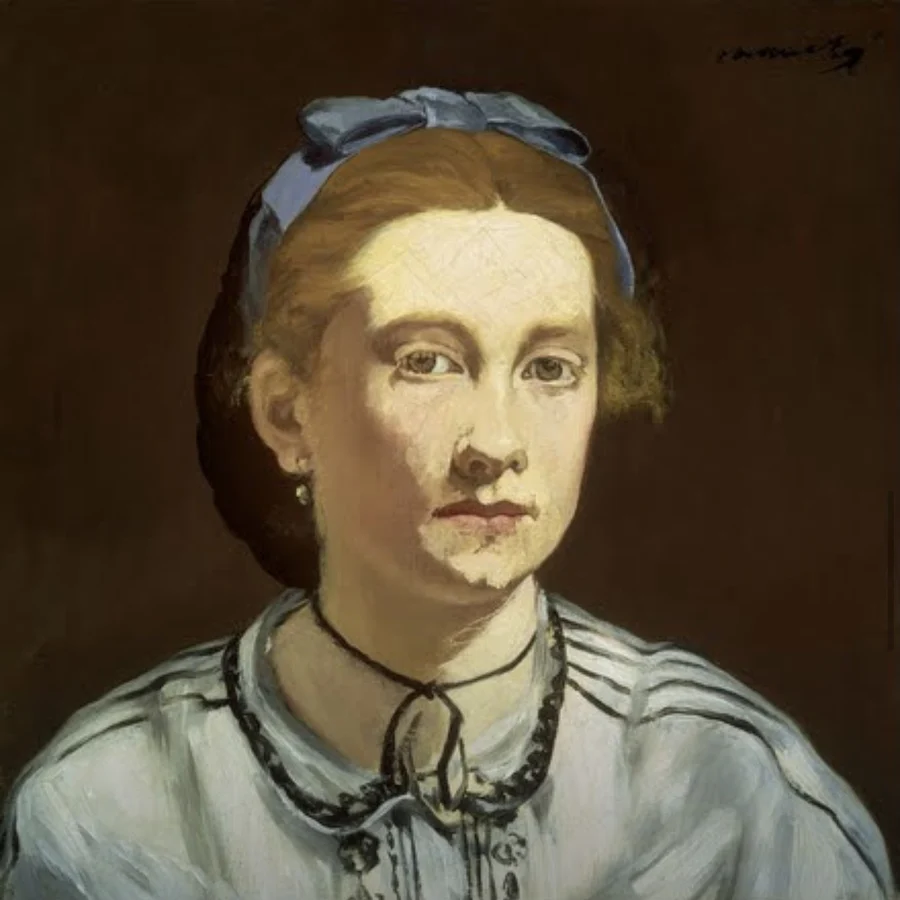
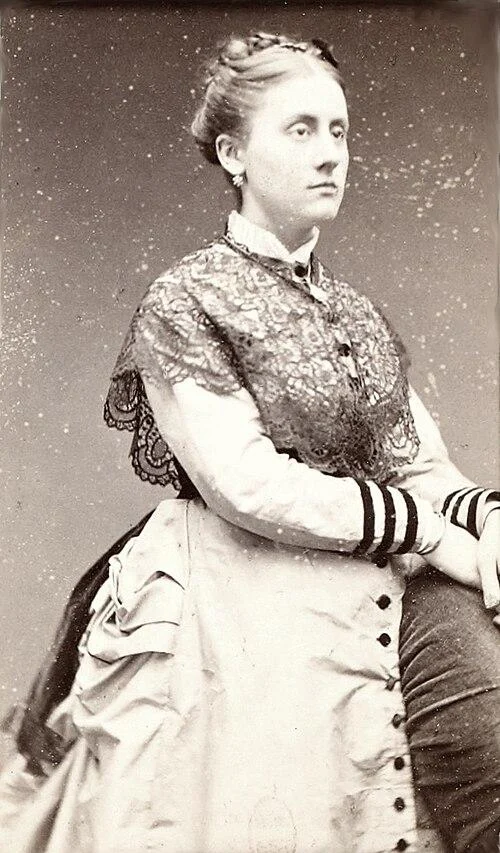
She was born in Paris on 18.02.1844 into a family of craftspeople. Her mother made hats, her father finished bronzes. Hands, craft, work. Not salons, not bohemia.
Victorine played the violin and the guitar, gave music lessons and sang in café-concerts. She was small and red-haired, and they nicknamed her “the Shrimp”. It didn’t hold her back: in studios where the best models in Paris competed for a painter’s eye, she won. Because allure has nothing to do with height. It’s the Moon and the 2 in her date, something that draws you in and doesn’t let go.
In 1862, at eighteen, she met Édouard Manet. In his first portrait of her she wears a blue ribbon and a very serious look. Look at her: this is not Olympia yet. This is a girl who has already decided something about herself.
Eleven years on Manet’s canvases
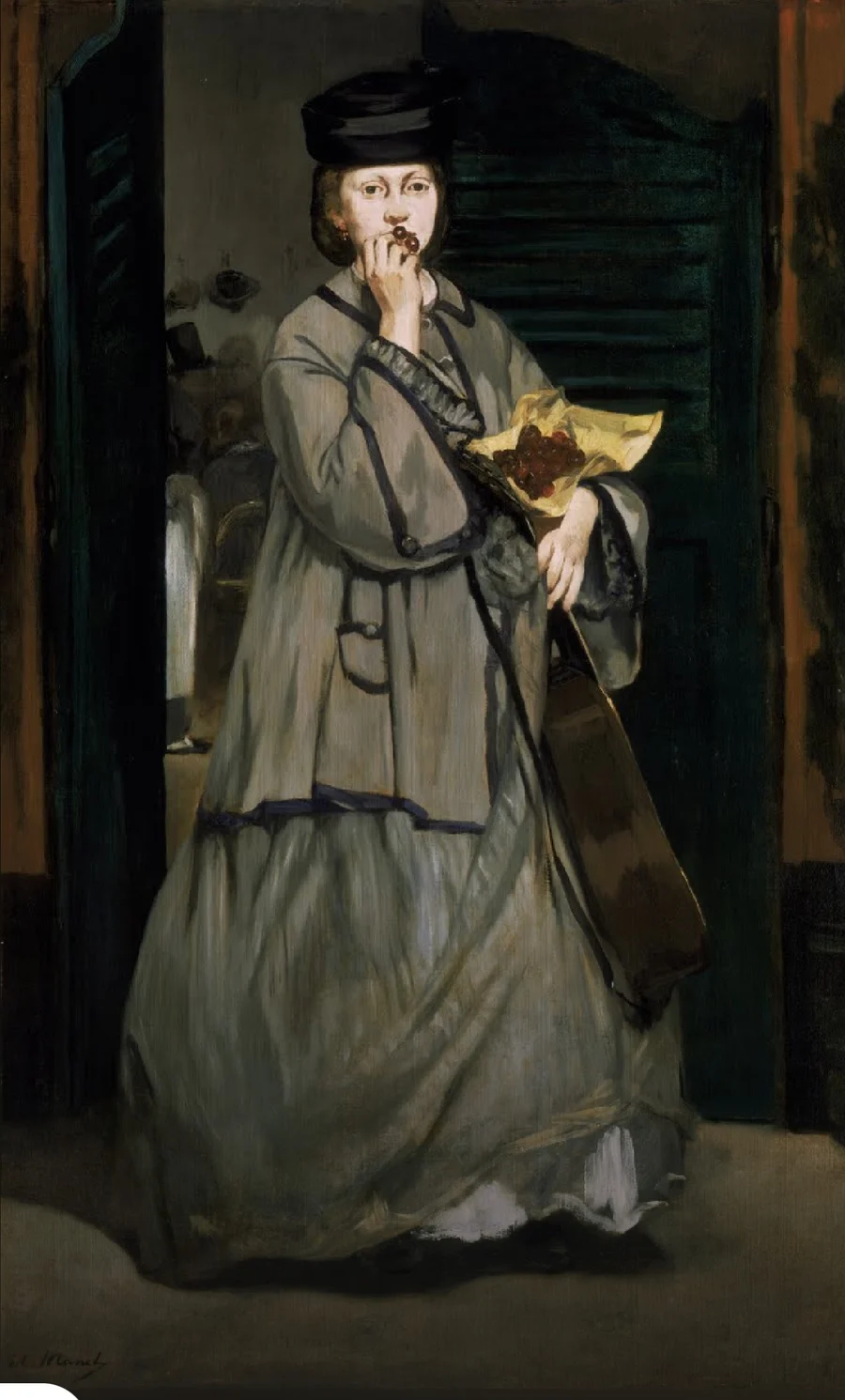
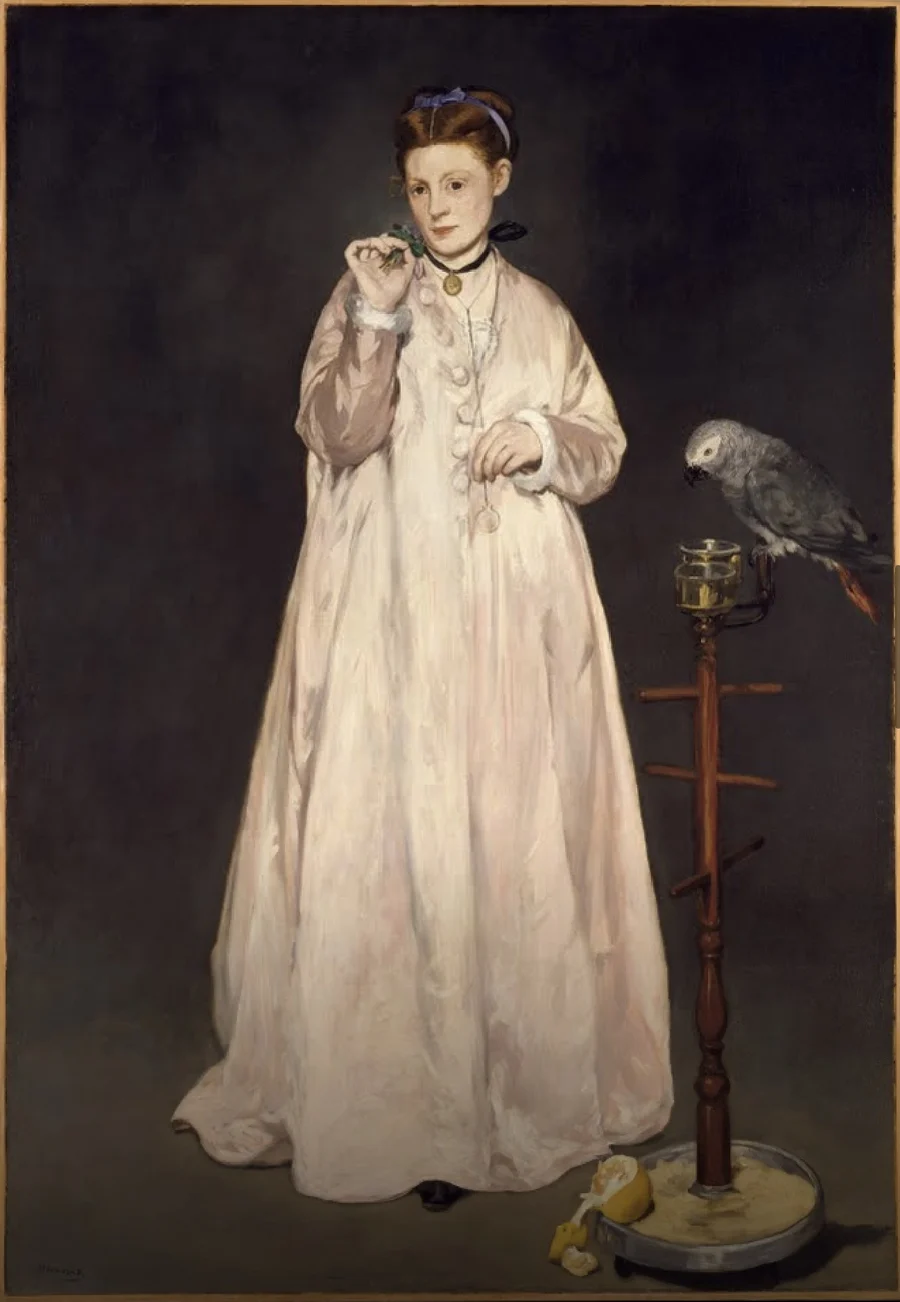
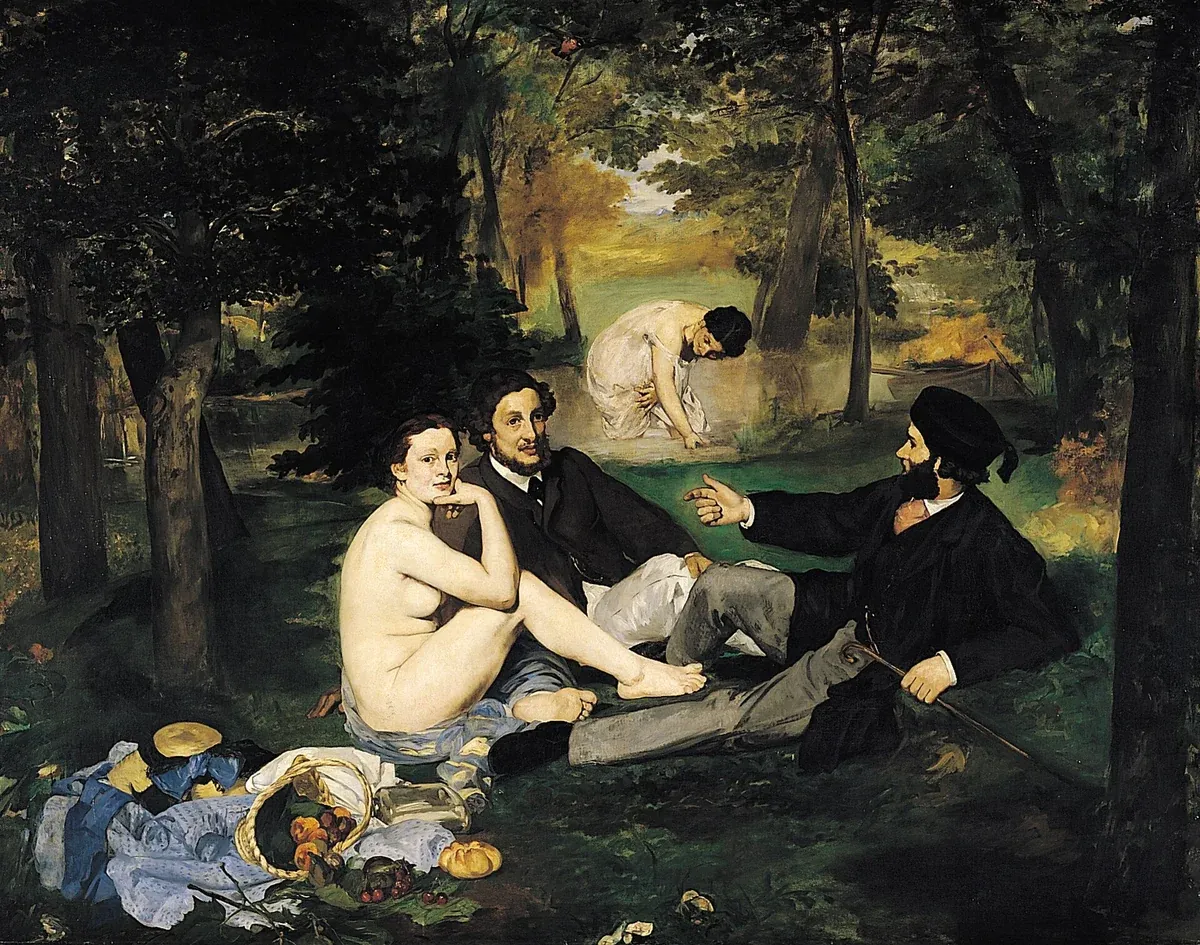
She became his favourite model. A street singer with a guitar and a paper of cherries. A girl dressed as a bullfighter. The nude in Le Déjeuner sur l’herbe. Olympia. A young lady with a parrot.
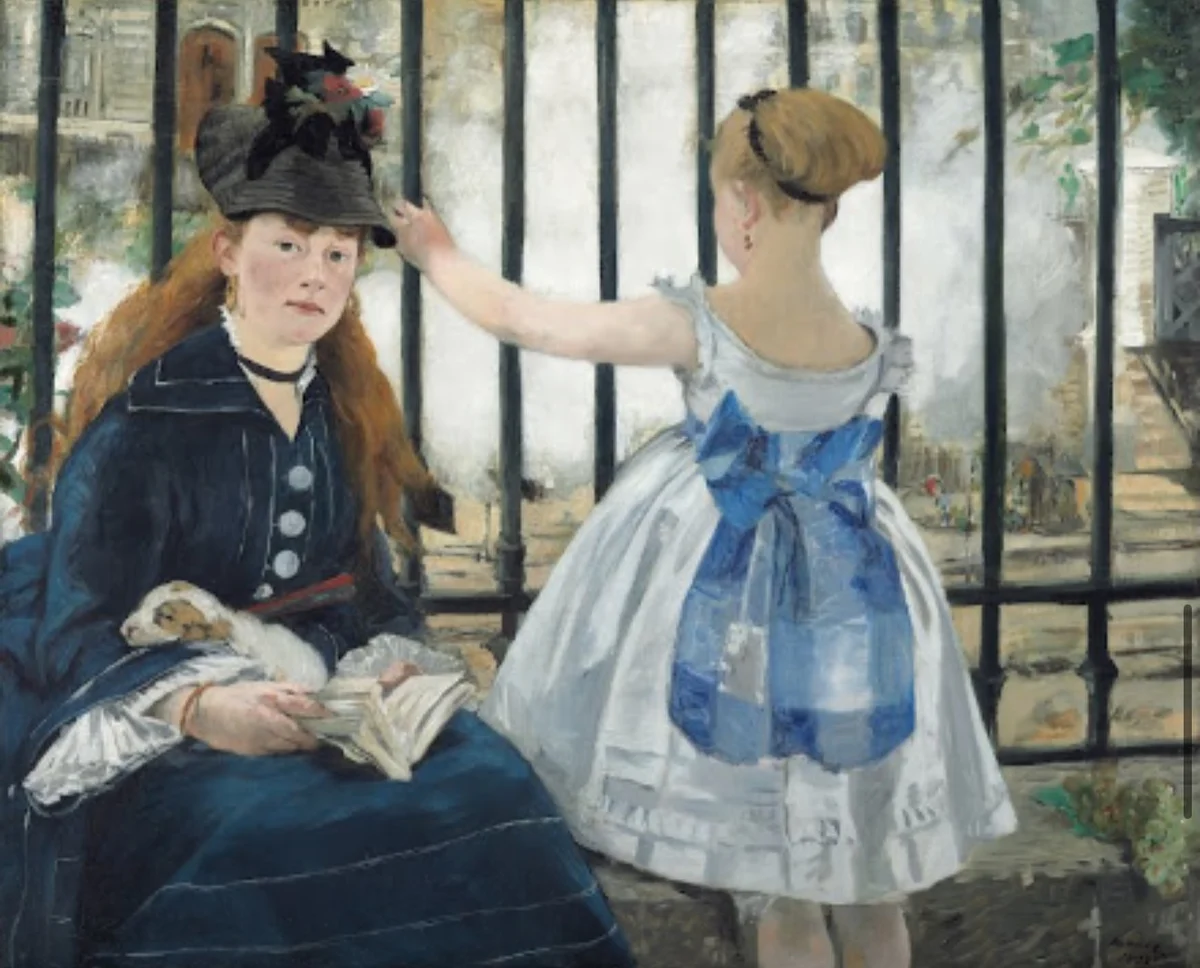
And the last one, The Railway, 1873: she sits with a book and a puppy in her lap and, once again, looks straight at us.
She posed not only for Manet but also for Degas and Alfred Stevens. She danced the cancan and in 1868 sailed to New York with a troupe performing Offenbach operettas.
She had the strength for a lot. The nerve, and the wish to be seen, to make herself known. She wanted to be noticed. And she was.
The three notes of fate
Let’s look at her date.
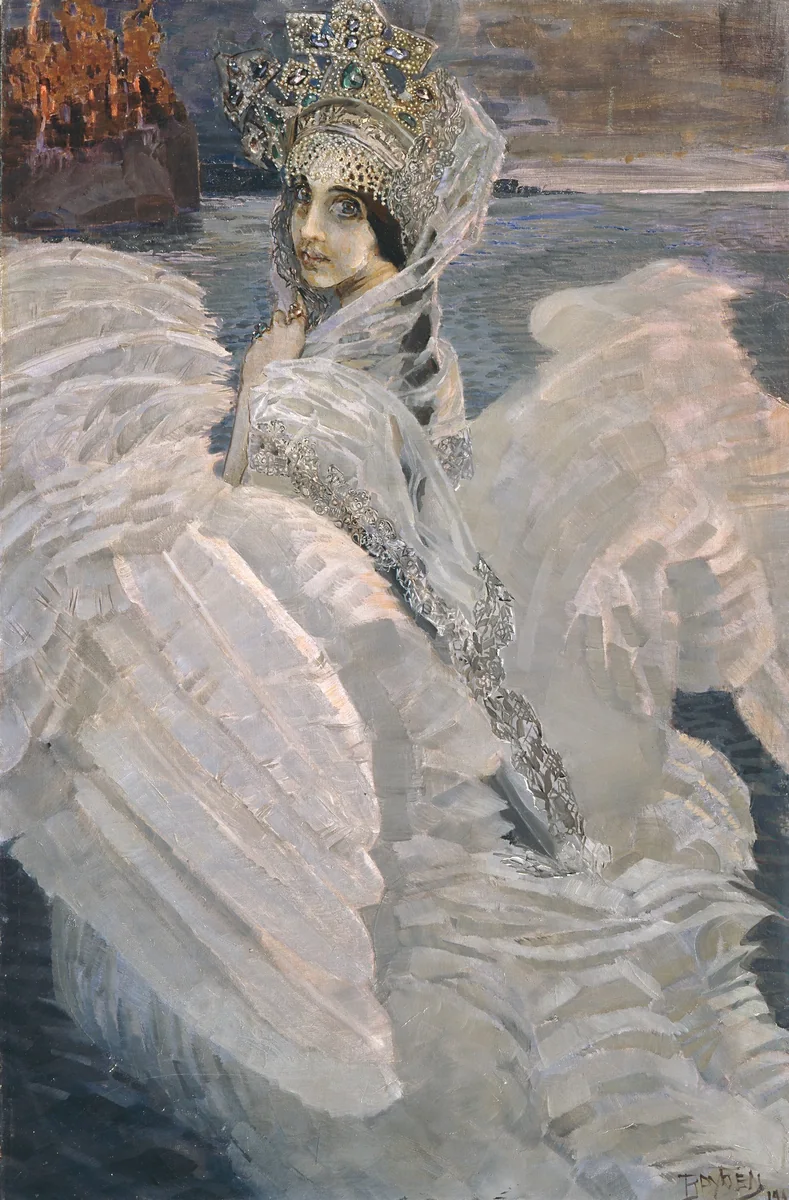
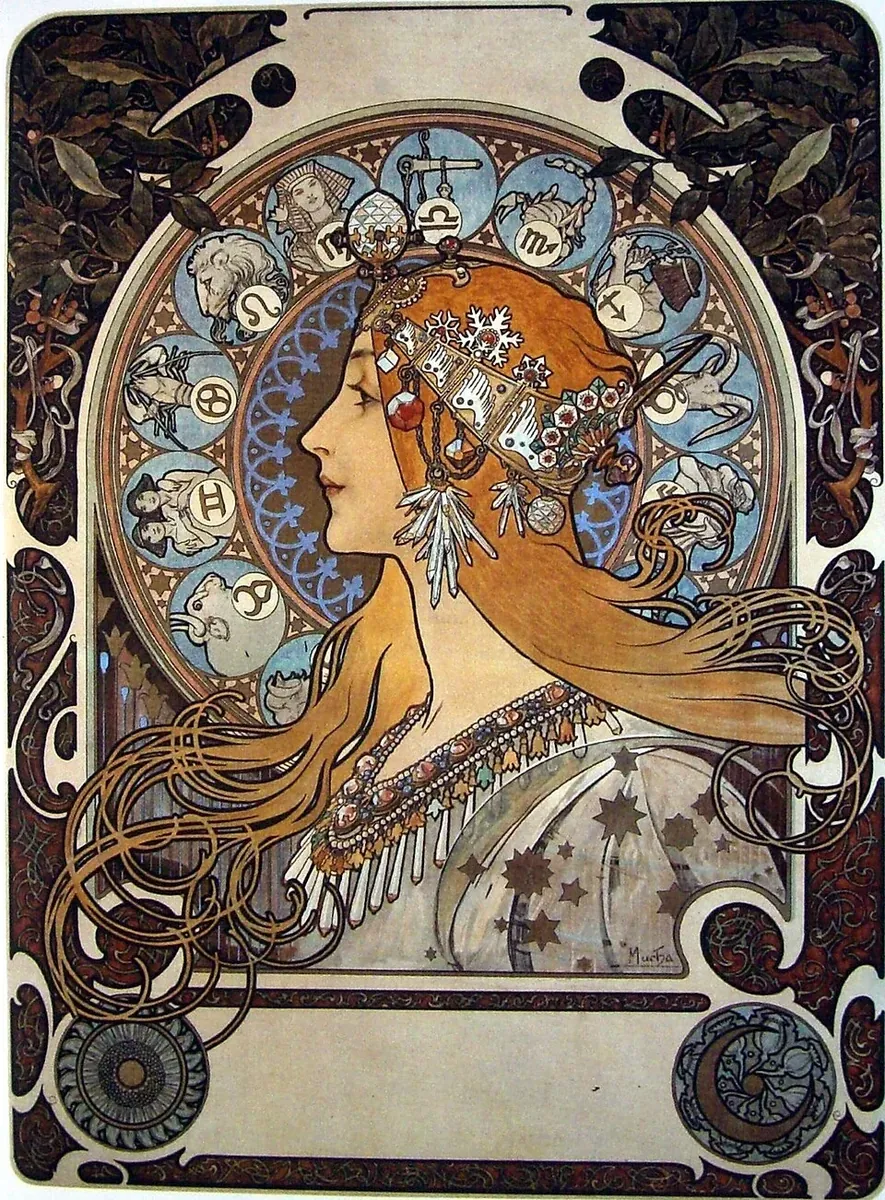
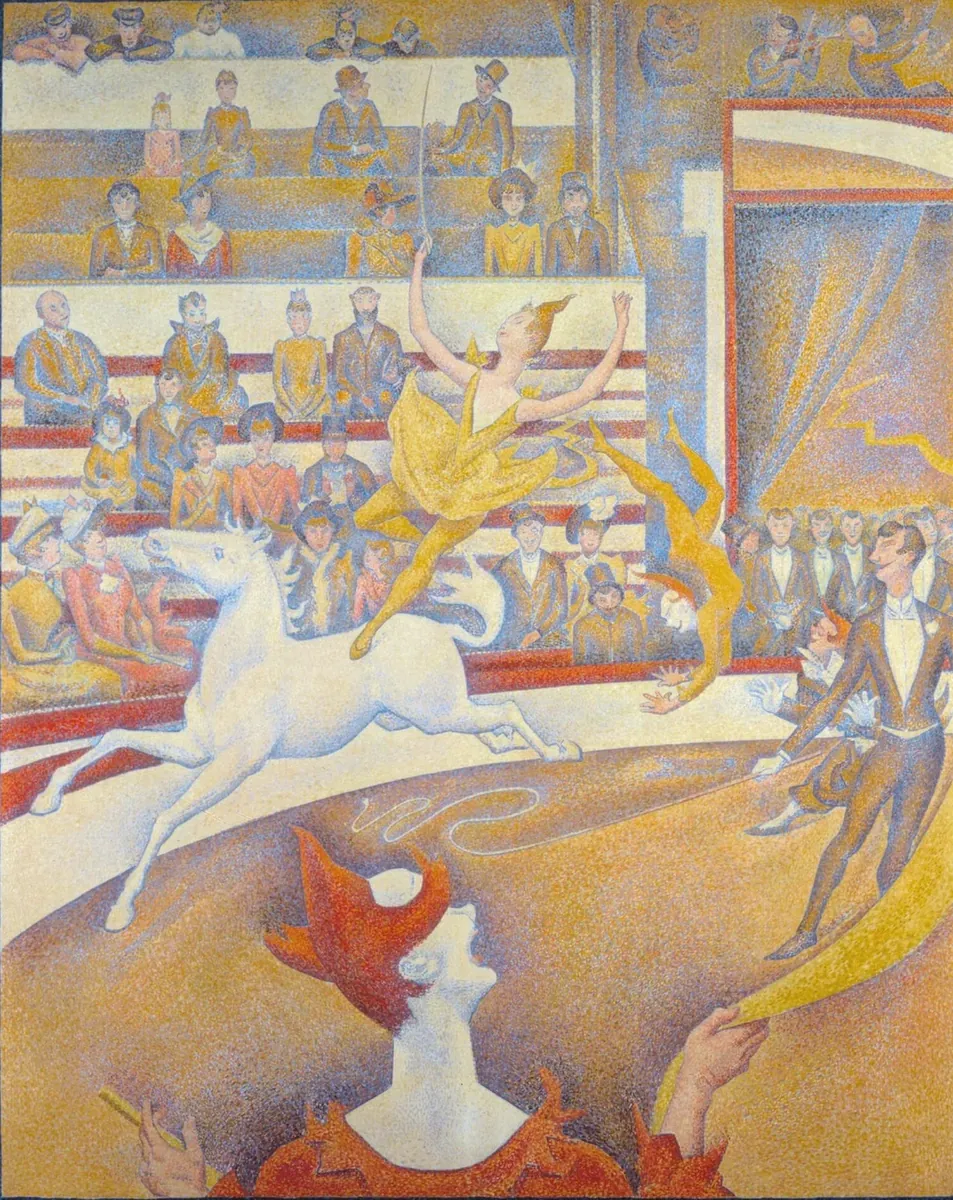
Personality 18 · from birth to 25. The Moon, my favourite energy. Inside it sound 1 and 8, adding up to 9. The 1 is the spark of beginning, the 8 is scale. This is someone deep, sensual, intuitive, with a rich inner world and imagination. Drawn to beauty, to the unusual, to mystery. Thoughts that come true: what you dwell on tends to happen. People like this recharge in nature and feel the cycles of the moon. The other side of the Moon: fears, and the urge to drift away from reality. In my gallery 18 opens with Vrubel’s Swan Princess: she turns back and is about to vanish.
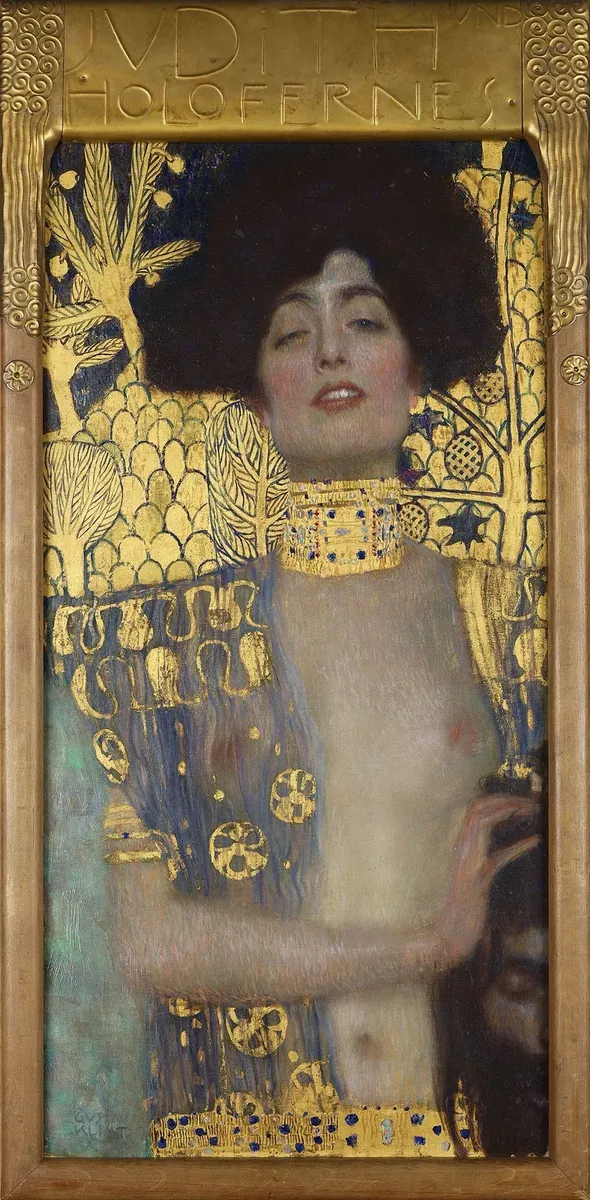
Next to the Moon in her chart stands the 4, the Emperor. Together they mean inner strength. And Strength, 11, sounds in her chart more than once. Put simply: she couldn’t care less what anyone said. In my gallery her health, 11, opens with Klimt’s Judith: quiet power that never needs to raise its voice.
Family 02 · from 25 to 35. A zero in front of the 2. In my method, a zero next to a 2 means a reset through relationships: breaks, distance, being alone. Not an ending, but the start of a new emotional maturity. Let’s put her dates side by side.
- 1873Her last painting with Manet. After that they drift apart.
- 1875She begins studying painting with the portraitist Étienne Leroy.
- 1876Her self-portrait is accepted by the Salon.
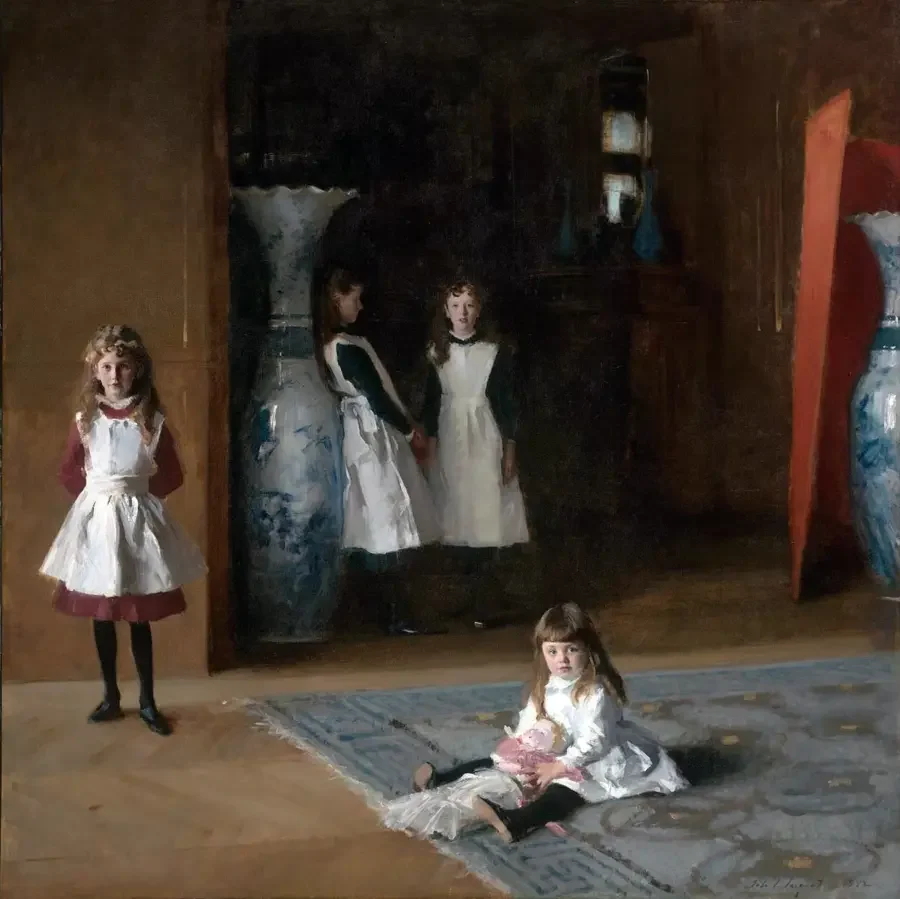
In her family line the 2 is paired with a 12. I have this pairing in my own personality, so I know it well: a creative eye, boldness, the wish to stand out and see the world your own way. In my gallery, family 2 opens with Sargent’s Daughters of Edward Darley Boit: quiet women’s knowledge, passed on without words.
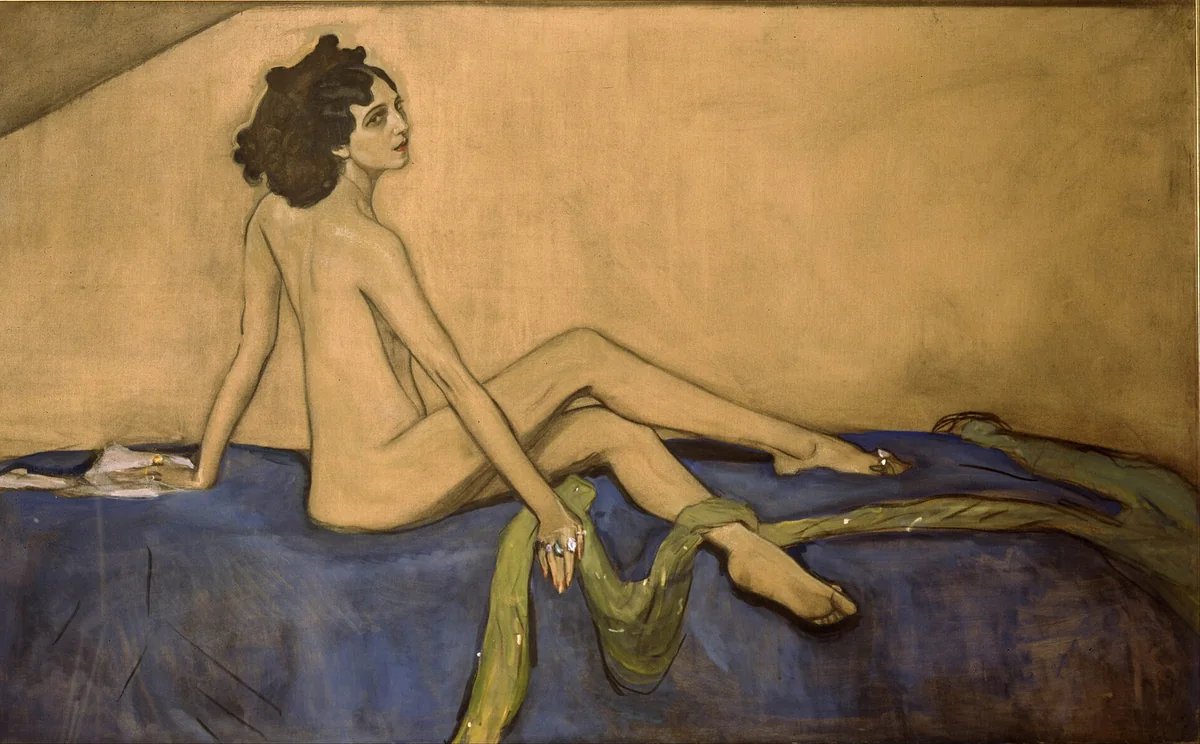
Scale 17 · after 35. 1844 → 1 + 8 + 4 + 4 = 17, the Star. Linked with it is 10, the Wheel of Fortune: a star and a lucky turn. A star isn’t only about the stage. It is a light that shows others the way. In 1879 her painting hangs in the same room as Manet’s. In 1903 she is admitted to the Société des Artistes Français. In my gallery 17 opens with Serov’s Portrait of Ida Rubinstein: another woman who posed boldly and caused a scandal, and who was never just a model, but a dancer and an actress.
Yet her chart holds many 9s, the Hermit. Reflection, depth, turning inward. So there is an inner argument: she wants to shine, and she wants to retreat into the depths. She wants the stage, and she wants to close the door.
Her chart also holds 20, Judgement. And she really was judged for everything: assessed, gossiped about, written into stories. There is 19, the Sun, too, and 22, a childlike lightness.
Life’s flight: her tests
In the date 18.02.1844 the 1, 8 and 4 each sound twice, plus a zero next to a 2. This isn’t a punishment, it’s a route: the way life teaches us to grow up.
The 1: a test of recognition. The most famous face in France, seen by everyone, named by few. She wanted to be recognised as a painter, not as a model.
The 8: a test of fairness. After Manet’s death in 1883 she writes to his widow: Manet had promised to repay her if his paintings sold. It seems there was no answer.
The 4: a test of body and home. In the same letter she says she has broken a finger on her right hand and can no longer earn a living by painting. A painter’s hand. And later, her own house in Colombes, bought together with her companion Marie Dufour, and twenty years in it.
Numbers don’t judge. They show where the lesson is.
Through her own eyes
And now the main thing. In 1876 the Salon accepts her self-portrait and rejects Manet’s paintings. The model got in, the master didn’t.
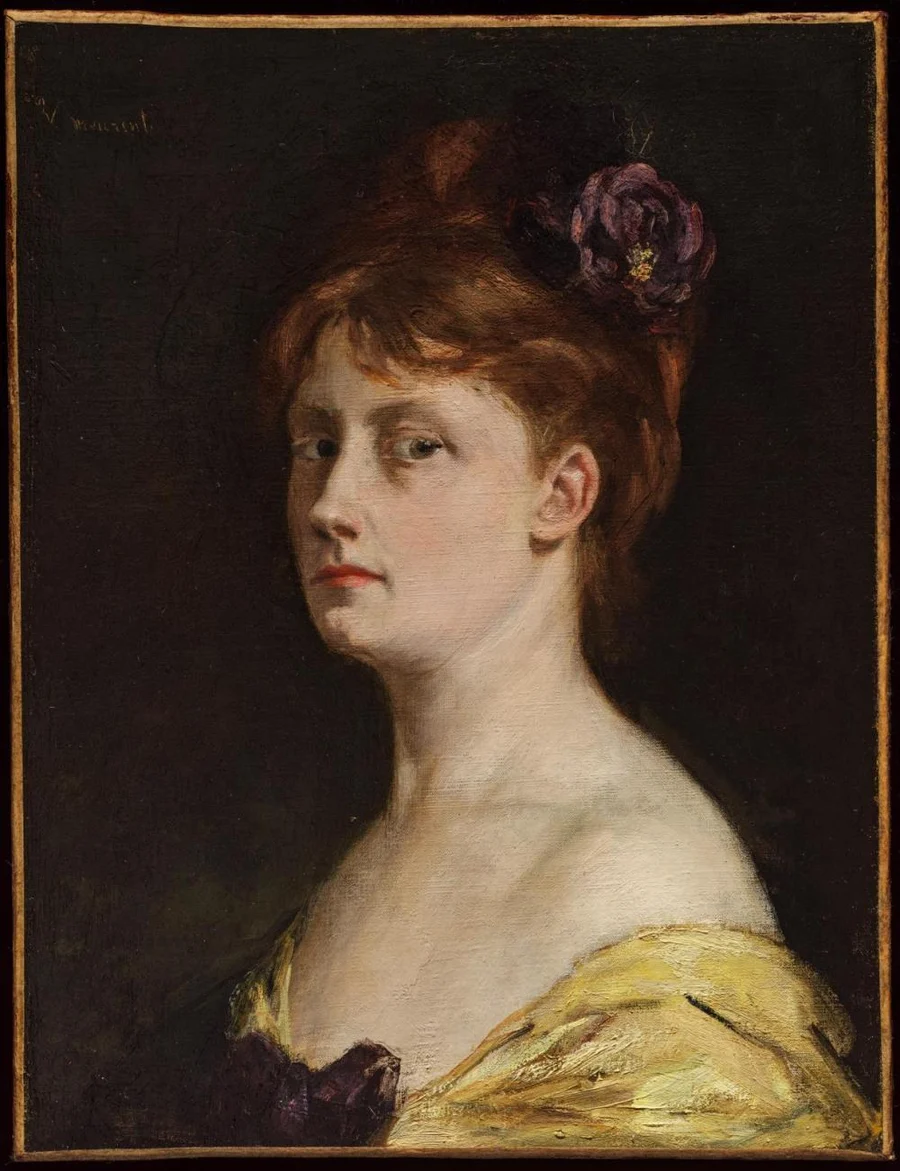
Look at this self-portrait. Red hair, a flower, a glance over the shoulder. Not the head-on stare of Olympia, but a question: so, who do you think I am?
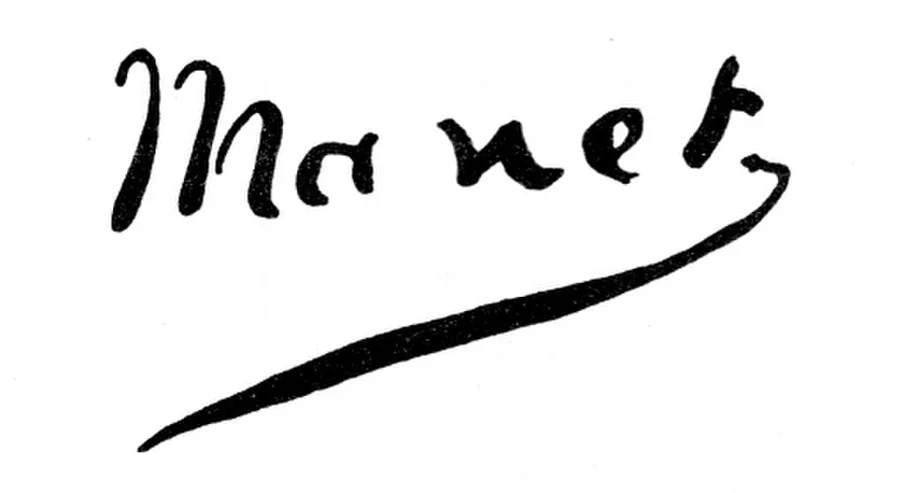

Olympia carries Manet’s sweeping signature. Her paintings carry a small one in the corner: V. Meurent. In 1863 his name sits under her face. In 1876 and 1885 her own name sits under her paintings.
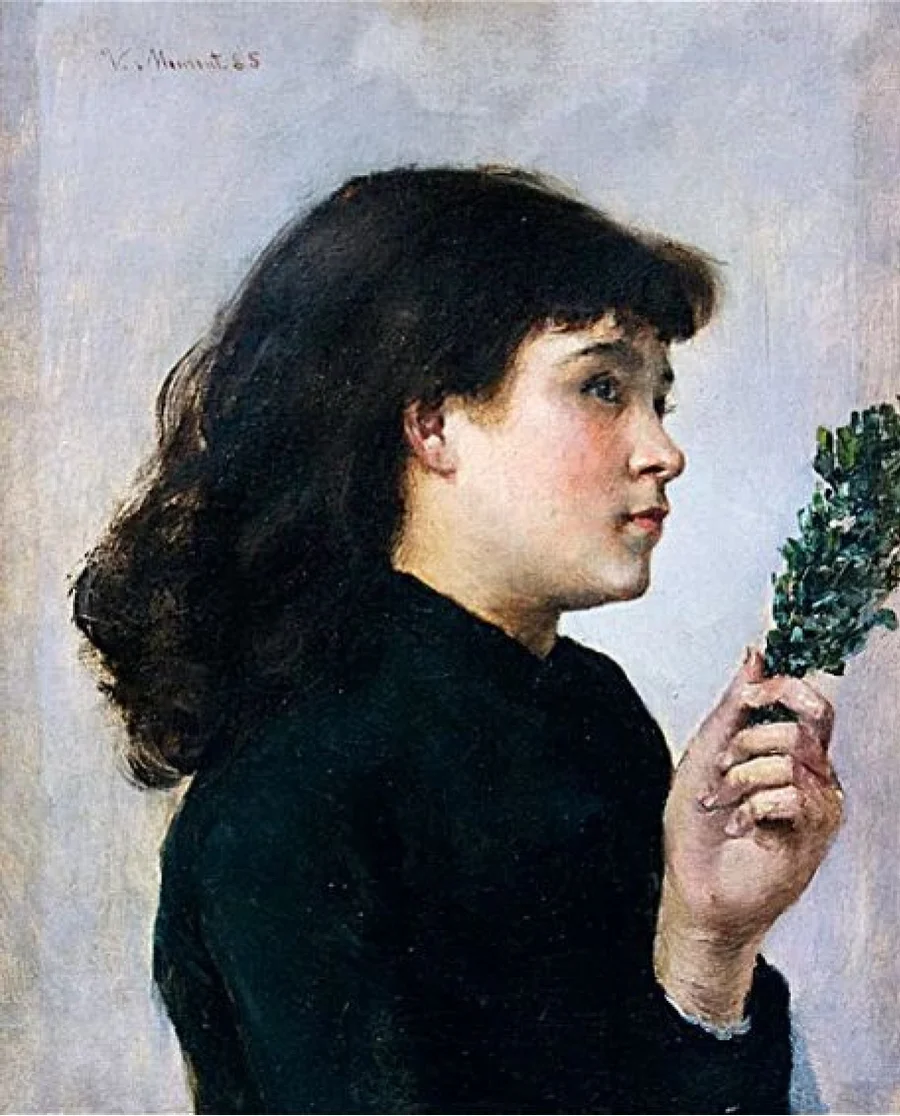
Palm Sunday, 1885. A girl holding a sprig of greenery looks not at us, but ahead, past us. The painting was only found in 2004. Most of her work is lost.
The circle that helps you grow
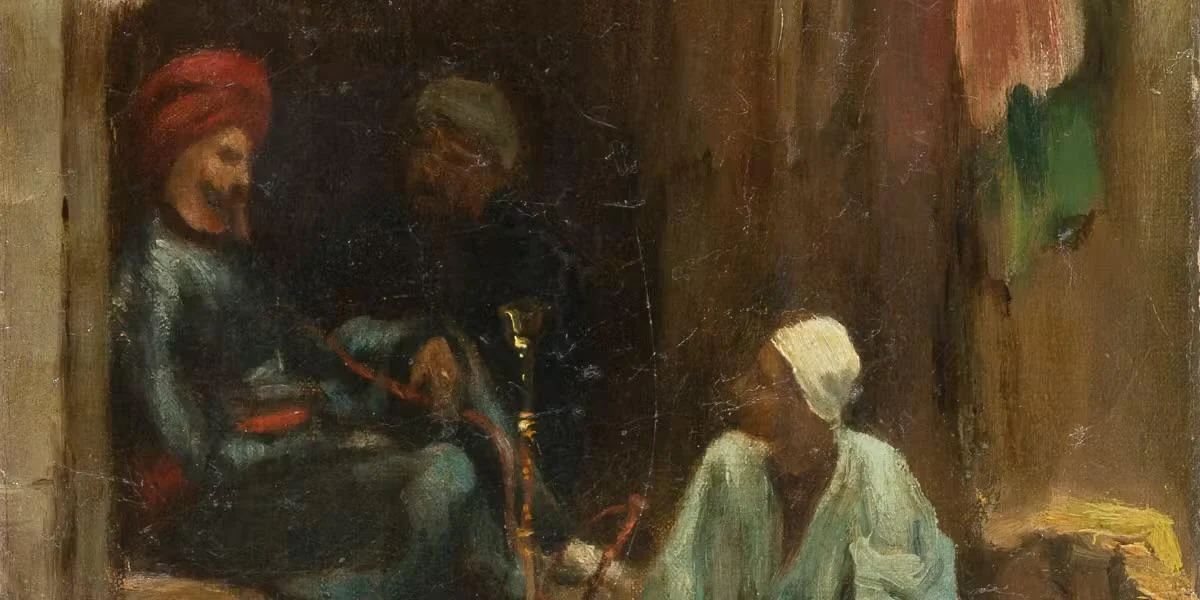
The psychologist Lev Vygotsky called it the zone of proximal development: we grow into what we see around us. For eleven years Victorine stood in the studios of the best painters of her time. She watched painting being born. She listened, argued, remembered.
It was an exchange: she gave them a face, they gave her an eye. And one day she picked up the brush herself. She had every right to.
People remember us in the role they first saw us in. Only we can step out of it and show who we have become.
The psychology is simple and familiar to all of us. The model. The mum. The assistant. The girl who gets good grades. We outgrew that first role long ago, and still people see us in it.
Legends and the truth
Later, stories were made up about her: that she took to drink, sold sketches in Montmartre and died poor. Legends. She lived to 83. In the 1921 census, aged 77, she gave her profession as “artist”.
She had no husband and no children. For the last twenty years she lived with her companion. The 9, the Hermit, sounds in her chart more than once, and against the background of her fears it pulled her inward, into quiet. She lived much of her chart on its shadow side. But she lived a fascinating life.
She died in Colombes on 17.03.1927. After Marie Dufour’s death the contents of their house were sold, and some, neighbours recalled, were burned. They say her violin went with them. Almost no trace was left. That may be the saddest part of her story.
Her self-portrait entered a museum outside France only in 2021, in Boston. 145 years after the Salon.
She and Manet: the numbers side by side
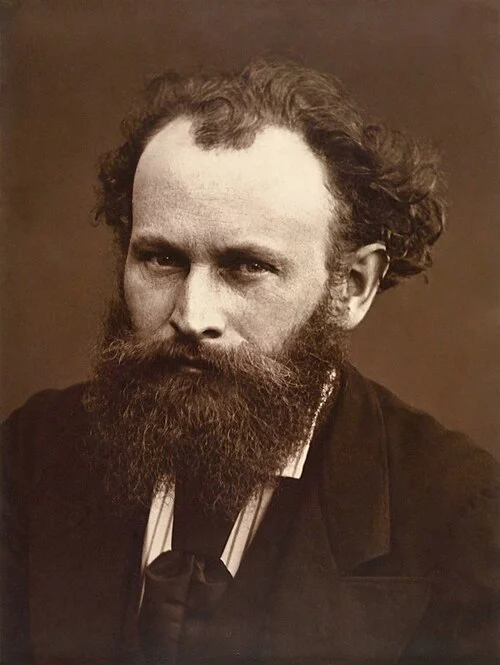
Édouard Manet. Photograph by Nadar, c. 1867
Édouard Manet was born on 23.01.1832. Personality 5, family 1, scale 14, mission 8-7-15. Her soul mission is 13-8-21.
- 8His mission begins with an 8. And an 8 sounds in her mission too.
- 20His relationships are 20, Judgement. And she, as we’ve seen, was judged for everything.
- 1His family line is 1. And the 1 sounds in her chart more than any other number.
I’ll leave the conclusions to you.
Look
Her soul mission is 13-8-21. Thirteen is total transformation: from model to painter, from a picture to its author. Twenty-one is the World. She lived her date to the full. Her date still sounds today: we look at her in the Orsay, in Boston, in Washington, a century and a half later.
We know her as Olympia. But she was a violinist, a singer, a dancer, a painter. The most famous face with almost no voice of its own. Everyone spoke for her: the painter, the critics, the authors of legends. She spoke with a brush.
Look.
Think of something you do easily and with joy, but never show anyone.
A question for yourself: what can you do that nobody around you even suspects?
Numbers are the essence, psychology is the path, art is the mirror.
A hint, not a fairy tale.
Tanya Taina
This is my reading through the hand method. The paintings by Manet and Victorine Meurent and the 19th-century photographs are in the public domain.